WOKE Molds · Capabilities

Engineering and manufacturing capabilities

A tool that will run on your press needs a different review from a batch of finished parts. See how we assess the drawing, plan the build in our own factories and agree what your team will inspect at delivery.

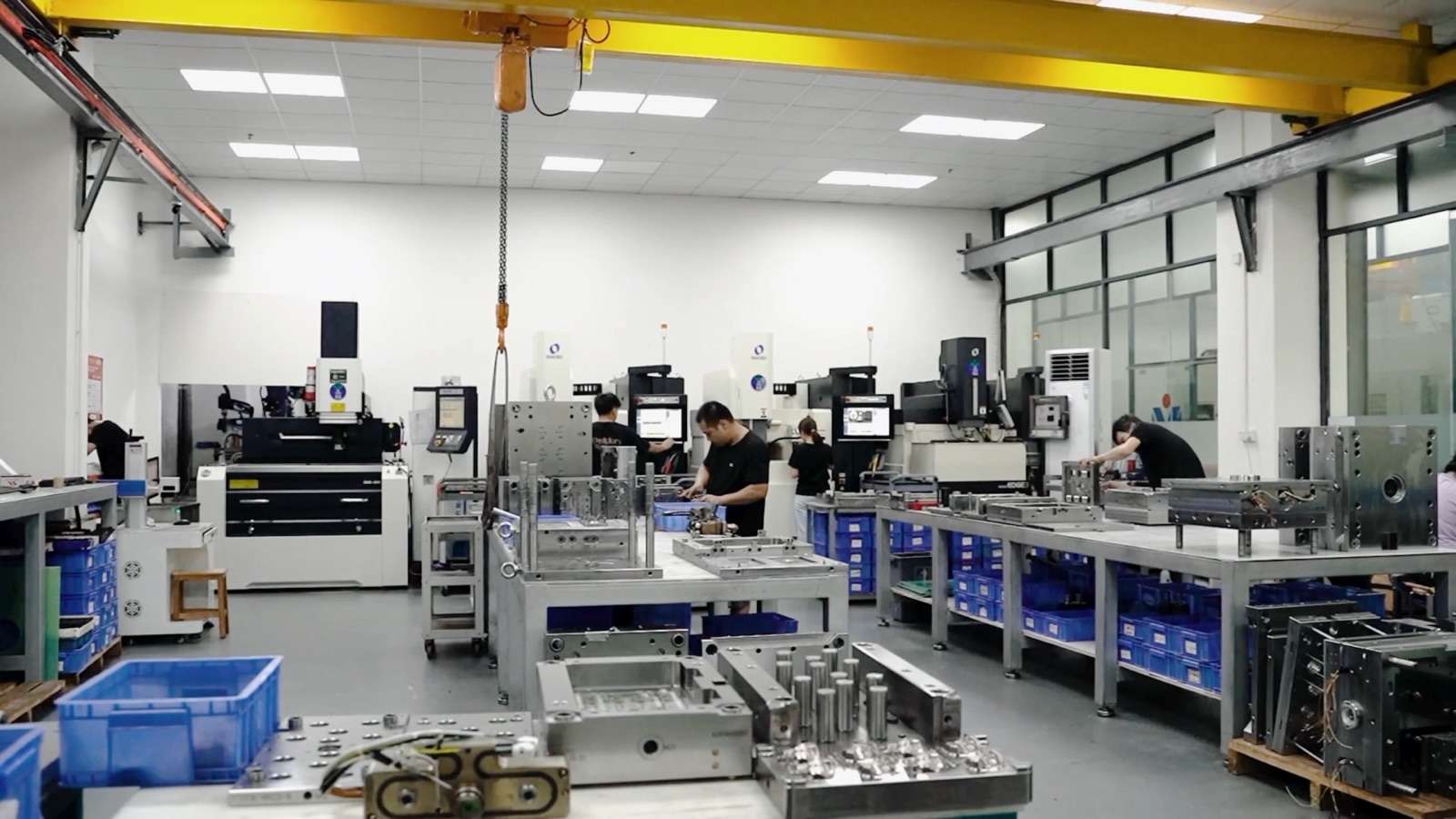
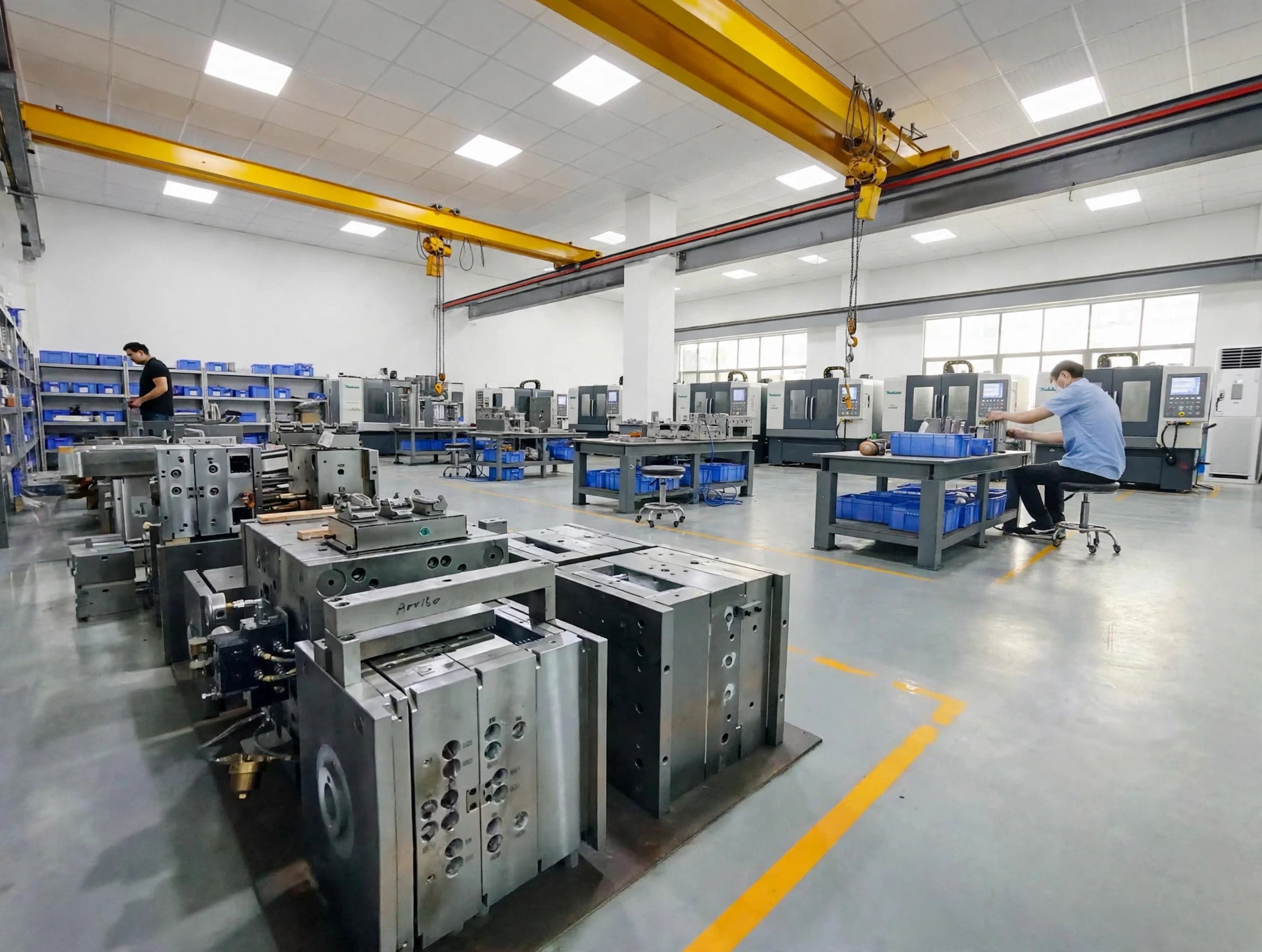
Technicians and mold assemblies beneath the tooling workshop crane
Tool fitting and assembly in the workshop

Explore by project stage

Where does your project need a decision?

Choose the question that is holding up your next step. Each link takes you to the relevant engineering, manufacturing or inspection detail.

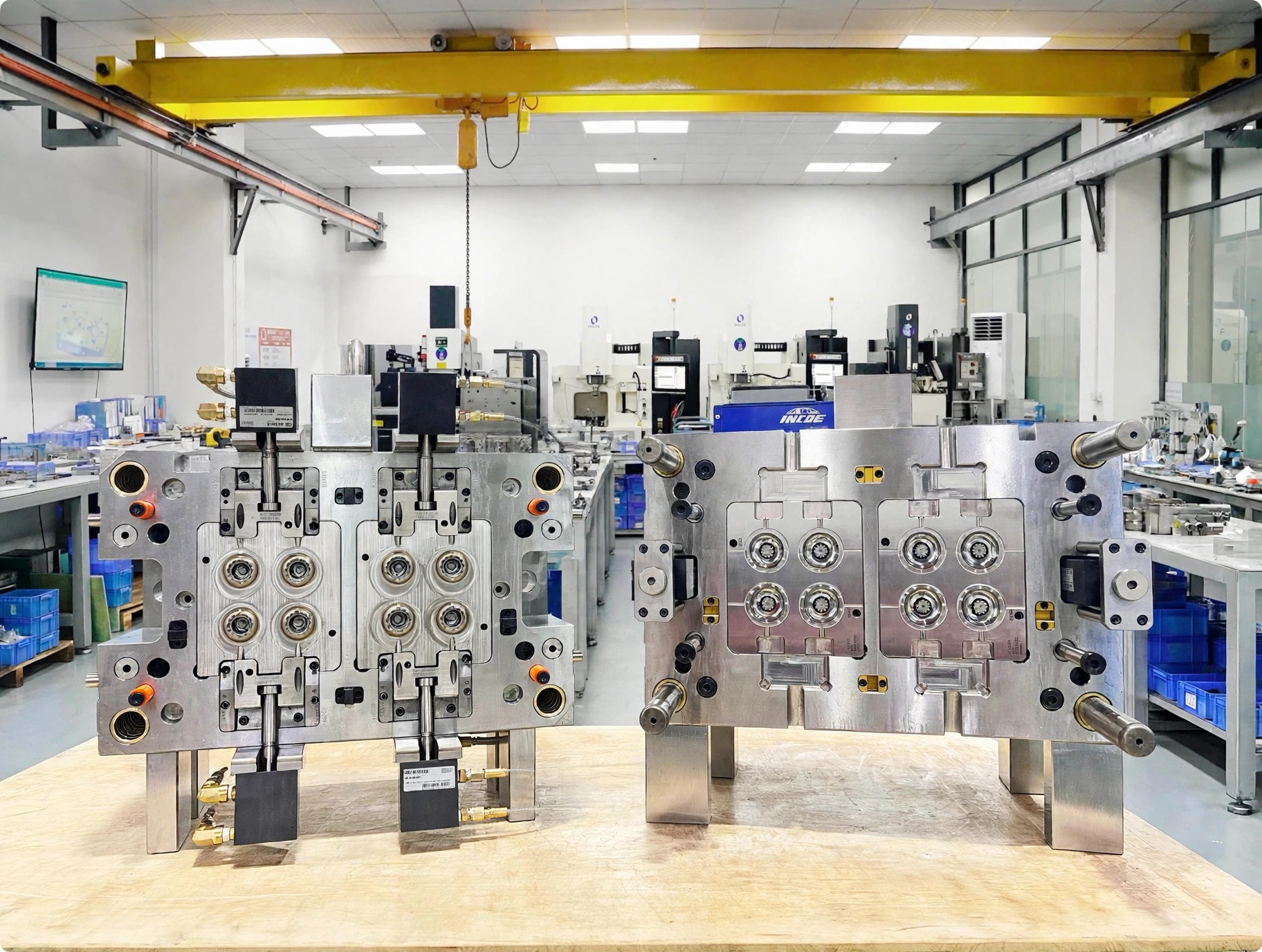
Open mold halves showing the cavity layout and tooling interfaces

Engineering & DFM

Will the design work as drawn?

Start here if the part is still changing, the molding direction is uncertain or a mating feature limits what can move.

Bring to the review
Send the current model, drawing revision and protected surfaces.
Decide together
Review proposed changes, open assumptions and what needs approval before cutting steel.
Explore Engineering & DFM
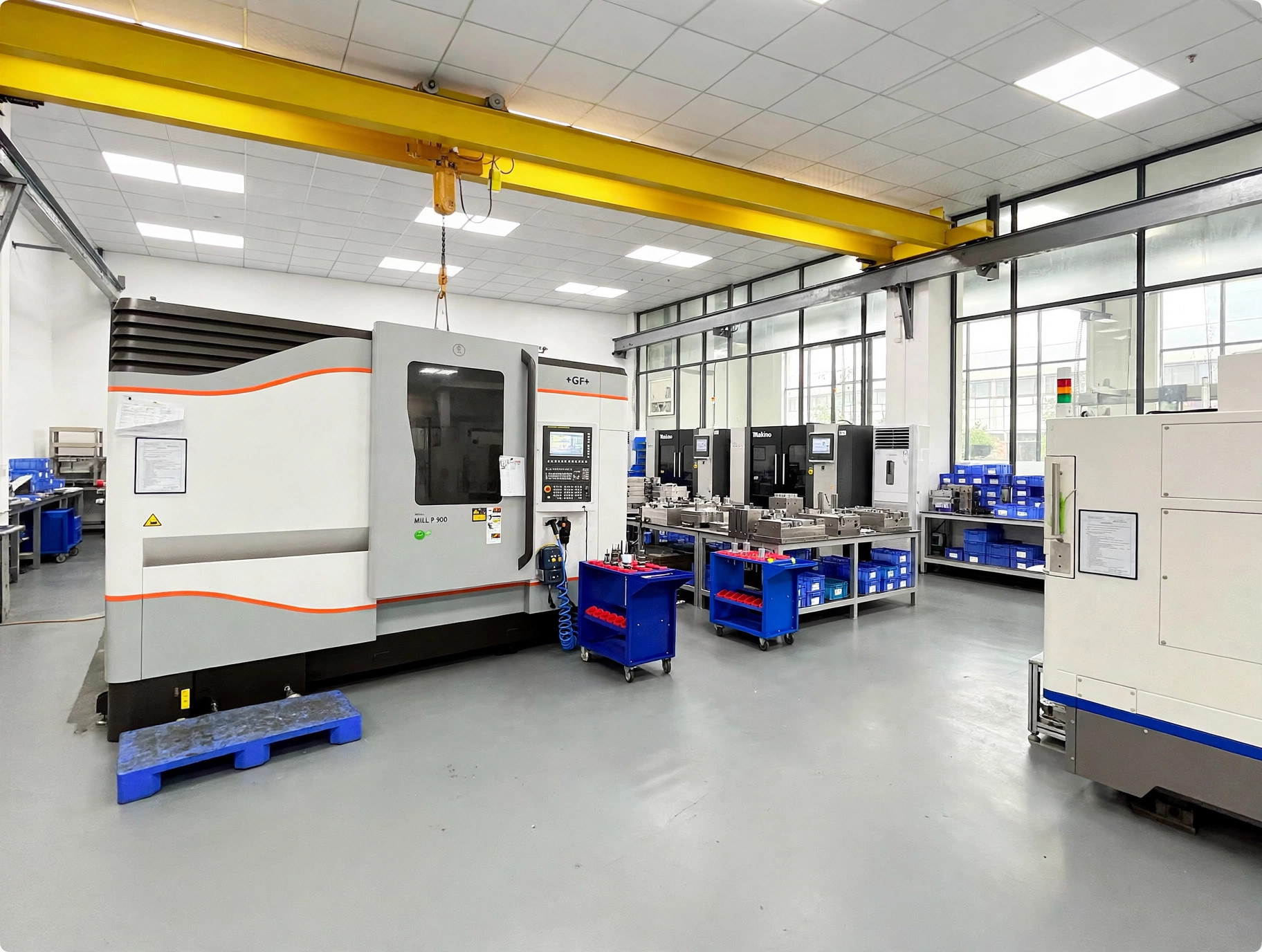
Enclosed machining centers and tool carts on the workshop floor

Manufacturing Capabilities

Which process fits the job?

Use part geometry, material, lot size and final condition to check tooling, press or machining requirements.

Bring to the review
For a mold, identify the receiving press. For parts, give lot sizes, finish and delivery schedule.
Decide together
Compare our equipment and the project details needed to confirm a fit.
Explore manufacturing
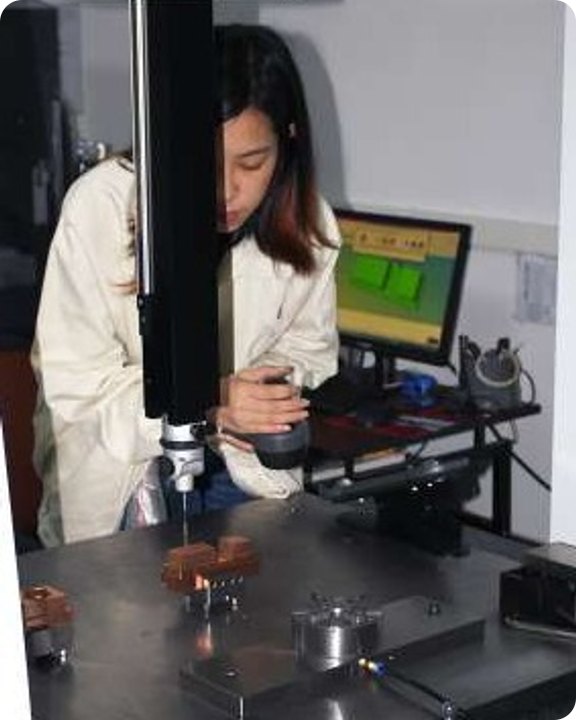
An operator checking a metal component at a dimensional measuring station

Quality Control & Inspection

How will we accept the work?

Start with features that locate, seal or carry load. A list of dimensions alone may miss the fit your assembly needs.

Bring to the review
Mark the datums, critical features and any approval hold on the drawing.
Decide together
Agree what will be measured, on which samples and in which report.
Explore quality and inspection

Choose by purchased deliverable

What needs to arrive at your dock?

Choose by the item your purchase order covers. For multi-route projects, list each deliverable and its approval point.

Tooling

An export mold for your press

For a tool your team will run, send the part model and revision, resin, cavity target, receiving press, any specified mold standard, and trial or spare needs.

Agree before release. who supplies the press interfaces, what samples qualify the tool, and which records or handover items are required.

Review export mold manufacturing

Finished molded parts

Production parts ready for assembly

For components ready for assembly, share the released revision, resin grade and color, order profile, visible surfaces, interfaces and pack-out condition.

Agree before release. sample approval, finished-part inspection basis, material evidence, and how design or process changes are authorized.

Compare molding processes →

Machined components

Metal or engineering-plastic parts to drawing

Share the current drawing and model, material, lot quantities, finish and datum scheme. Mark mating threads, fits and faces, and identify the inspection records you need.

Agree before release. finished condition for measurement and whether the part needs milling, turning or a combined route review.

Review CNC machining services

For an uncertain or multi-route brief, start with Engineering & DFM and identify the functional interfaces first.

Illustrative engineering example

A molded housing, threaded insert and mating machined part

A screw starts in the threaded insert but binds as the bracket seats. The insert thread, the machined clearance hole and the two seating faces can each look acceptable in isolation. Here is how to plan their review as an assembly.

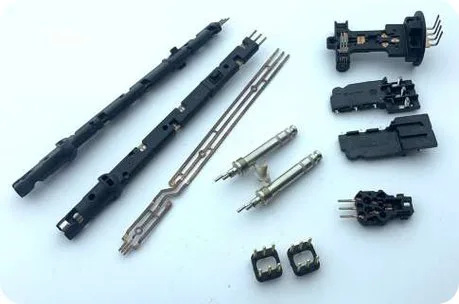
Black molded plastic components with visible metal contacts
Molded parts with embedded metal contacts, from the company profile.

Define the mating features

Use the housing and bracket drawings together to establish the locating faces, insert axis and screw clearance. Mark which faces must stay free of plastic. Decide how the insert will be supported during molding and which direction it could move under pressure.

See metal insert molding considerations

Protect the fit during manufacture

The tool needs access to load and locate the insert. For the bracket, identify whether hole position and clearance apply after coating. Link both drawings to a common assembly revision before releasing the tool and machining fixture.

Review the machined-part route

Check the assembly at sample approval

Measure insert location from the housing datums and the bracket hole pattern after finishing. Bring the samples together with the specified screw. If the screw binds, compare the two setups and seating faces before making a tooling change.

See inspection and approval records →

People and equipment

From mold fitting to a trial on the press

Our team builds molds in our own factory in Dongguan and runs production in our molding plant in Shenzhen. Watch the tooling workshop, then consider what the team running your mold will need when it arrives.

Mold handover

What has to travel with the tool?

At quotation, share the destination press and identify the connections, clamping arrangement and documentation your molding team needs. A trial on a local press can show filling and ejection behavior. The receiving machine still needs its own compatibility check.

Before dispatch, agree the approved samples, outstanding actions, setup information and any spares. For later support, keep the tool ID, drawing revision, photos and operating conditions together so the team can investigate the issue.

About the team and workshop →

Quotation and approval

What belongs in the first project brief?

A partial drawing is enough to start a conversation. Identify what is provisional so the quotation can distinguish an assumption from a released requirement.

A revision everyone can reference

Send the latest 3D file and the dimensioned 2D drawing when available. Highlight conflicts, mating parts, cosmetic zones and any dimensions that must survive finishing.

The order you expect to place

Separate the tool from the parts. Include quantities per release, annual demand if known, destination and the date that matters: trial samples, approved parts or dispatch.

The decision before production

Name the approver, inspection records and any hold point. A first-article report records findings. If production must wait for written sign-off, put that condition in the brief.

Buyer questions

Questions that affect the project route

These are the details that often change a quotation or an approval decision.

Can we ask for both an export mold and molded parts?

Yes. Give the order quantity for the parts, the destination press for the tool and when you expect the mold to ship. This lets us separate tooling investment, initial production, sample acceptance and handover.

When is formal mold DFM prepared?

At quotation we can review the available drawing, identify feasibility questions and clarify assumptions. Formal mold DFM follows project kickoff. A flow study can be scoped if it will resolve a specific gate, filling or warpage decision.

Which dimensional tolerance should we use for supplier screening?

Mark the fit or function that matters and its tolerance on the drawing. We assess the material, feature, setup, final finish and measurement method together. Machine travel by itself cannot establish the tolerance of a finished feature.

Can we ask for FAI, CMM or PPAP documentation?

Yes. Include the characteristic list, sample basis, format and submission timing with the RFQ. We confirm the reports and any approval hold for that order.

What helps if a tool needs support after delivery?

Identify the tool and affected cavity, resin and press settings. Include photographs of the defect and the last accepted sample or revision. These help distinguish a setup issue from wear or a part requiring modification.

Start with what you have

Tell us what you need to make

Describe the part or tool, the quantity and the decision you need help making. If you have drawings, include their revision when you email them.

Technicians at benches with mold assemblies and tooling components
Tooling benches in the assembly workshop

Have 3D models or 2D drawings? Email your files to peter@wokemolds.com.

Please review our Privacy Policy before sending project details.