
Grip, touch or control
Define where friction and softness matter, the target hardness or tactile reference, wear and cleaning exposure, texture, color and the test condition used to approve the surface.
Two materials. One purpose.
Custom overmolded parts for grip, sealing and protection. WOKE Molds reviews the substrate, builds the tooling and runs production in our own factories around your material interface and finished-part requirements.
Start with your drawing and what the second material needs to do. Add material grades and quantities when known.
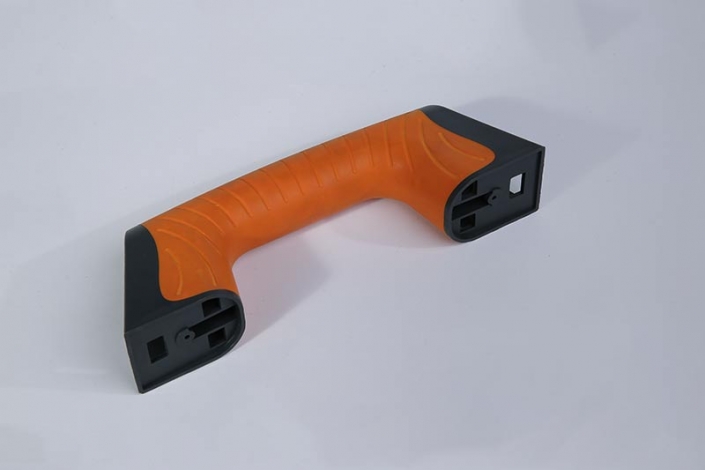
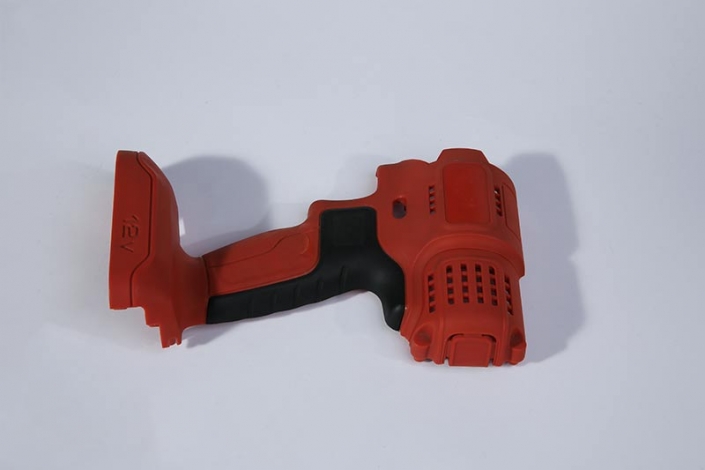
Start with function
Define where friction and softness matter, the target hardness or tactile reference, wear and cleaning exposure, texture, color and the test condition used to approve the surface.
Specify the mating assembly, compression, media, temperature, pressure or ingress method and duration. A continuous-looking edge does not by itself prove a seal.
Identify impact direction, abrasion, service temperature and acceptable deformation. Geometry and material response must be evaluated together rather than assumed from a soft-touch resin label.
Production responsibility
Overmolding begins before the second injection. Who makes, supplies, stores and approves the substrate determines the incoming controls and traceability needed at the molding step.
The project can review a substrate source, overmold tooling, second molding step and finished-part acceptance as connected work. Exact responsibility is recorded in the quotation rather than assumed.
Customer-supplied pieces need identification, acceptance criteria and protected delivery. Agree dimensional checks, moisture or conditioning status, cleanliness, orientation, storage, lot traceability, shortage or reject allowances and disposition before production planning.
A coordinated cycle may reduce handling and delay between materials, but it couples tool architecture, equipment, transfer and first-shot stability. Select the route from material system, geometry, demand pattern, automation, investment and validation—not from a universal volume cutoff.
Exact-grade compatibility
CN can evaluate TPE, TPU and common or engineering-plastic substrate families at exact-grade level. These starting points are review prompts, not guaranteed bonding pairs.
Confirm the specific substrate grade, blend, flame-retardant or other additives, color carrier, surface finish, service temperature and the overmold supplier's named bonding guidance.
Moisture state, fillers, conditioning and thermal history can affect molding and interface behavior. Record the grade and agreed preparation before interpreting a trial result.
Low-surface-energy substrates often require a TPE formulated for the named polyolefin system, suitable geometry and controlled processing. Generic “TPE” is not evidence.
Evidence hierarchy: exact-grade supplier guidance → interface and process review → trial parts under recorded conditions → agreed retention or finished-function validation. Hardness describes deformation; it does not prove adhesion.
Material supplier guidance, such as Avient’s TPE selection guidance, helps screen candidate grades before project trials.
Interface engineering
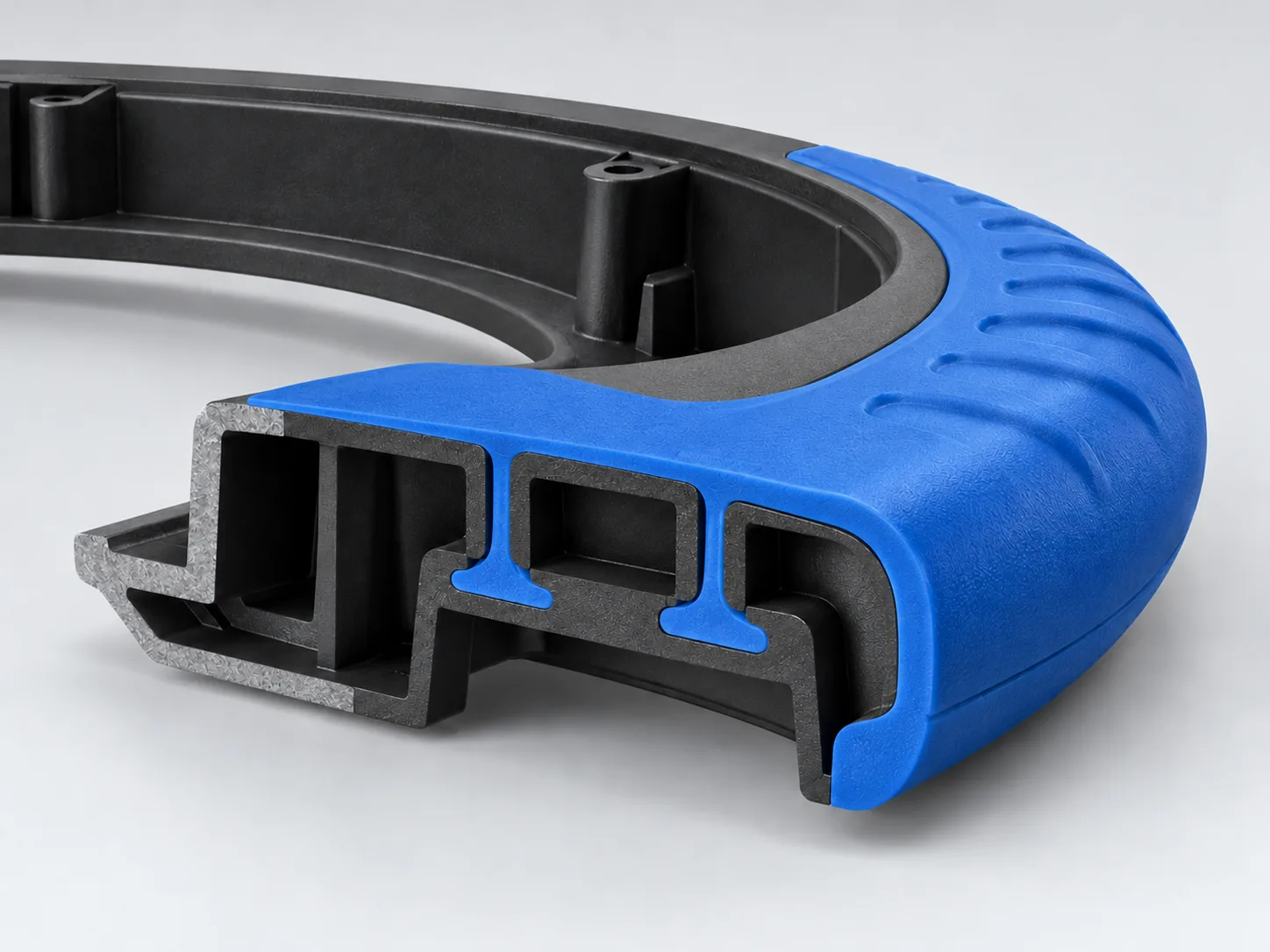
Define where the second material must stop. Review substrate variation, shutoff continuity, venting and allowable flash at cosmetic or functional edges.
Use repeatable datums and support the substrate against injection load so it does not shift, bend, crush or thermally distort.
Balance thickness transitions, gate location, end-of-fill behavior, weld lines, texture and acceptable gate or ejector evidence.
When separation risk matters, holes, grooves, undercuts or wraparound geometry can create a positive load path that supplements chemical adhesion.
Formal DFM after kickoff connects these decisions to the actual tool, material pair and production route. There is no universal wall, overlap or bonding rule that replaces that review.
The physical production step
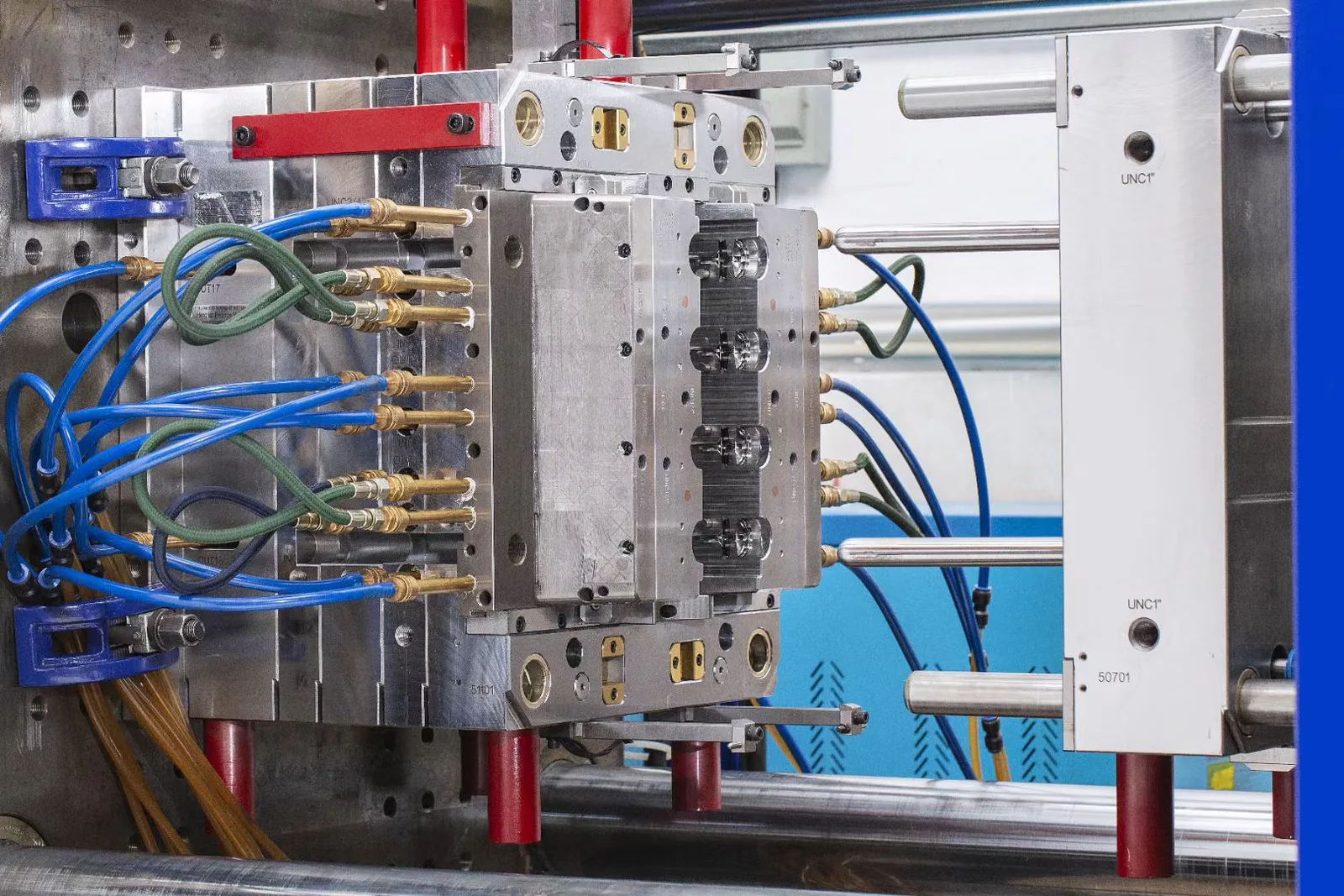
Reload overmolding depends on a controlled substrate reaching the tool in the correct identity, condition and orientation. Surface contamination, moisture, release-agent residue, uncontrolled storage or a long time between steps can change interface performance.
Inside the tool, location, support, gate and fill balance must protect the substrate. After molding, cooling and ejection must avoid distortion, scuffing or peeling, and packing must protect the finished surface.
Identify grade, revision, lot and agreed condition.
Orient, seat and verify the substrate before closure.
Fill and pack within the material and tool process window.
Release without distorting or damaging the interface.
Check agreed features and pack soft surfaces appropriately.
Symptom → review → evidence
Overmolding defects rarely have a one-parameter cure. The review connects material, substrate state, interface geometry, tool and process to a defined acceptance check.
Review exact grades, additives, moisture, contamination, interface temperature, contact geometry and peel-load direction. Define fixture, direction, speed, conditioning and acceptance; distinguish adhesive separation from cohesive tearing.
Review substrate tolerance and warpage, datum support, shutoff continuity, tool condition, venting and process balance. Inspect the agreed boundary under defined visual or dimensional criteria.
Review support against injection load, thermal softening, first-part stiffness, cooling, gate direction and locating repeatability. Measure finished datums after any required conditioning.
Review flow length and thickness, gate, vents and supplier processing guidance. Define functional and cosmetic zones rather than treating every visible line equally.
Review material and color lots, moisture, contamination, fill, texture replication and approved viewing conditions. Use controlled reference samples where appropriate.
Review fill continuity, compression geometry, mating-part variation, material response and aging or media exposure. Approve the assembled function with a specified test—not appearance alone.
Project-specific acceptance
A successful trial establishes only the evidence recorded at that stage. Production release also needs the agreed controls, records and change triggers for repeat supply.
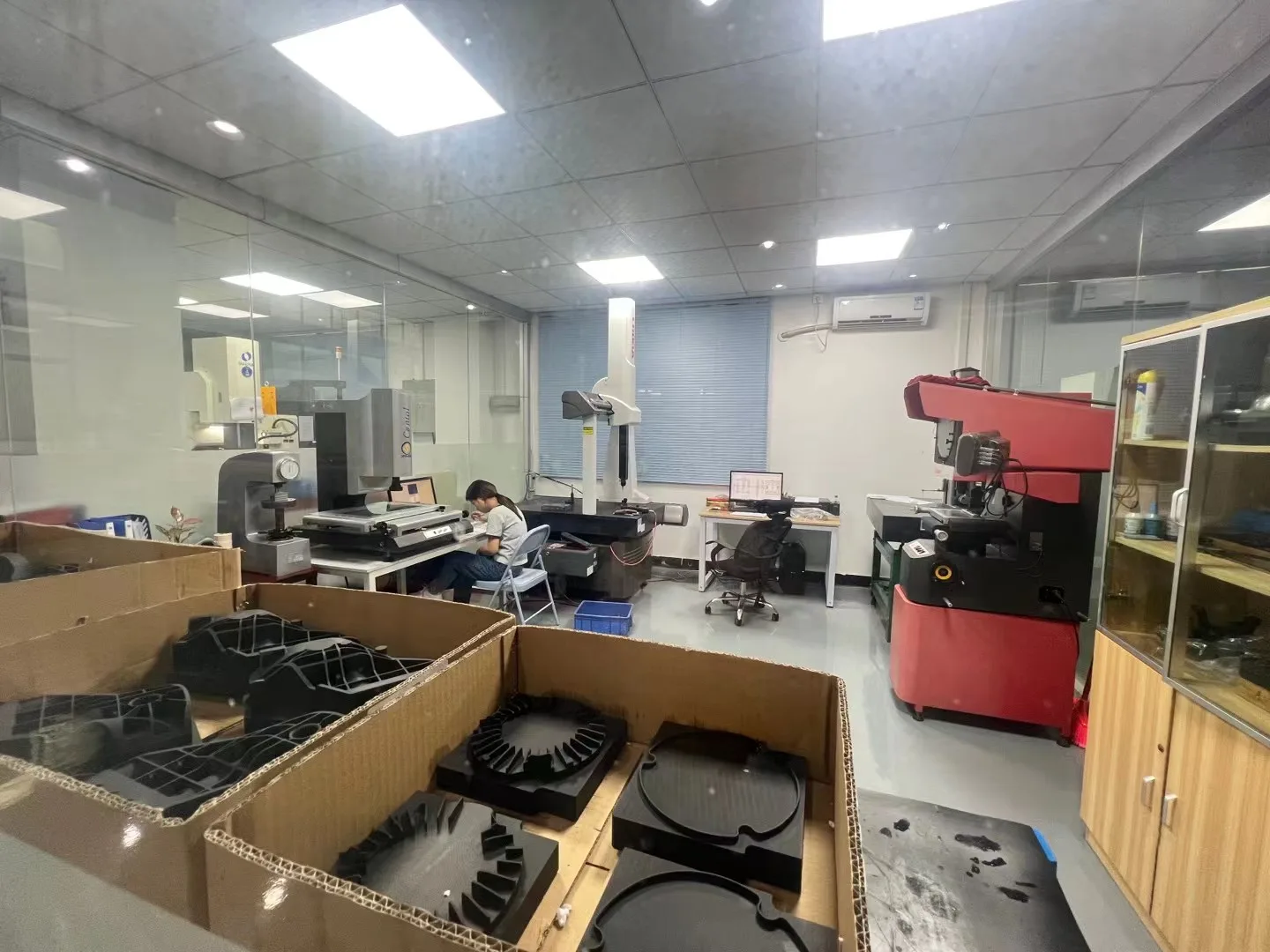
Datums, substrate distortion, overmold boundary and critical thickness measured in the defined conditioning state.
Flash, short fill, contamination, texture, gloss, color and witness marks against drawings or approved references.
Peel, pull, push, torque or destructive section method only when scoped, with fixture, direction, speed, conditioning and limit.
Assembly fit, sealing, abrasion, chemical, heat, humidity or cycling under the actual agreed test conditions.
Lot identity, sampling, reaction plan and records. Grade, color system, supplier, tooling, texture or route changes can require review and revalidation.
One company, one team
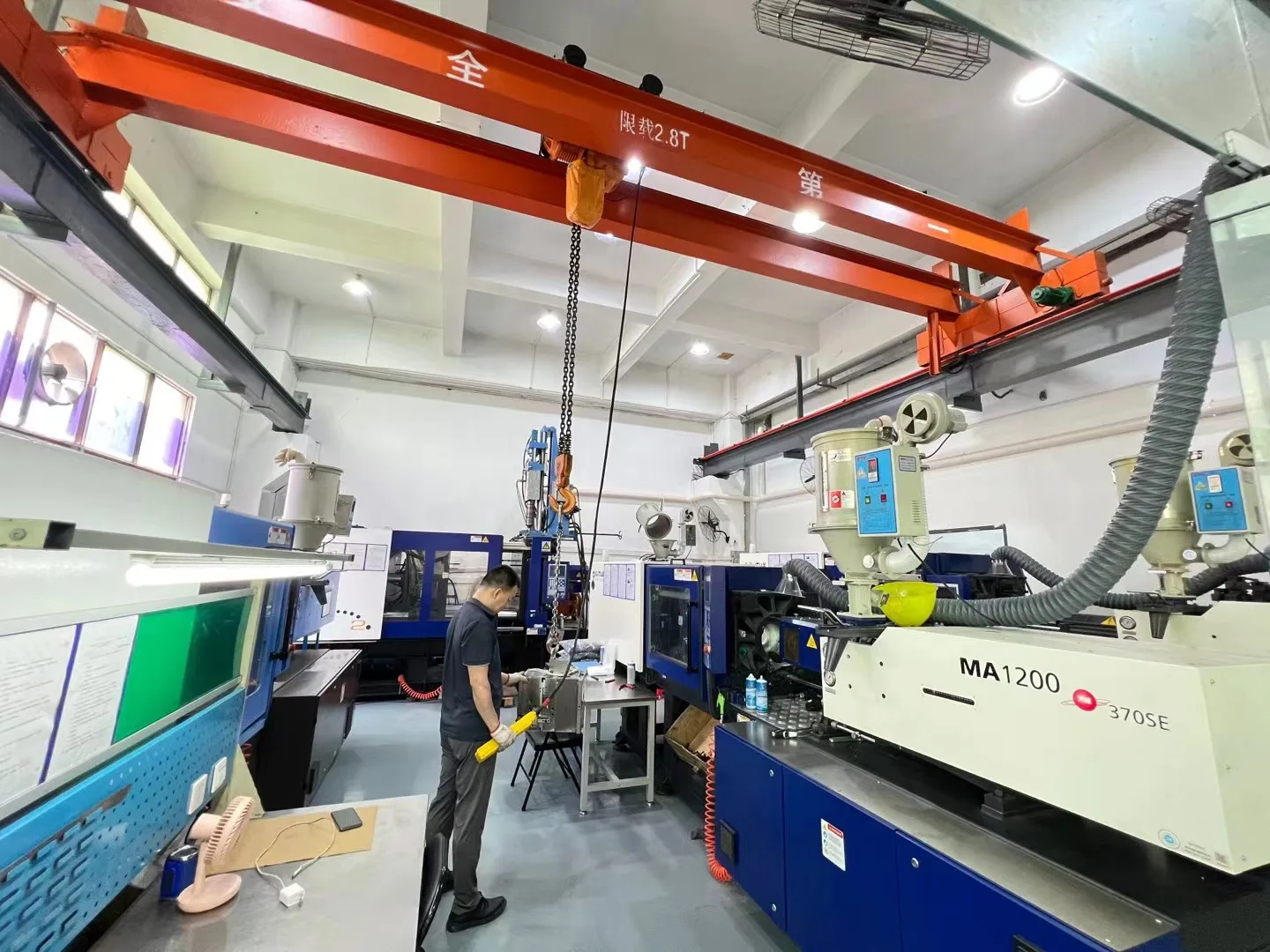
WOKE Molds gives you one project contact for engineering, mold building, molding, quality and delivery in our own factories in Dongguan and Shenzhen. Our team brings more than 15 years of experience to material, tooling and production decisions.
Project resources, inspection scope and records are matched to your part requirements—from substrate readiness through finished-part release.
Commercial clarity
Cost and timing depend on the material system, substrate responsibility, tooling route, handling, validation and repeat-order pattern—not only the second shot.
MOQ and lead time are determined for the project. Milestones typically move from requirement review and kickoff to formal DFM, tooling and process development, trials and correction, approved scope, then repeat supply; the actual quotation states what applies.
Review My Project for QuotationBefore you start
Customer-supplied substrates can be reviewed. Define the controlled drawing and revision, material grade, lot identity, dimensional condition, cleanliness, moisture or conditioning state, protective packing and the allowance or disposition for setup and rejected pieces.
Neither family is automatically better. Hardness, friction, wear, chemical and thermal exposure, compression behavior, appearance and exact-grade compatibility with the substrate all matter. Supplier data and project trials should support the choice.
A family name cannot establish adhesion. The substrate and overmold grades, additives, color carriers, fillers, moisture, surface condition, geometry and process route affect the result. Review a named material pair and define validation.
Chemical adhesion may be sufficient for some material systems and loads, but holes, grooves, wraparound edges or other positive retention can provide a separate load path. The need depends on service load, peel direction and the consequence of separation.
Overmolding alone is not a waterproof guarantee. A sealing requirement needs the assembled compression condition, mating parts, media, pressure or ingress method, temperature, duration, conditioning and acceptance threshold.
Overmolding is the broad relationship in which a second material is molded onto or around a substrate. Two-shot molding is one coordinated route. Reload overmolding uses a separately prepared and handled substrate.
Yes. Share the drawing and the required touch, wear, temperature, chemical or sealing performance. Candidate materials can be discussed during project review; the exact grades and acceptance requirements need to be confirmed before tooling and production decisions are finalized.
This page focuses on finished overmolded-part supply. For a standalone production tool, use the Overmolding Molds page so mold handover, documentation and export requirements can be scoped separately.
Critical dimensions should identify the datum system, substrate condition, overmold boundary and measurement state. Substrate variation, second-shot pressure, shrinkage, conditioning and fixture method can all influence the finished measurement.
Yes, they can be project inputs, but they do not work independently. Color systems can affect compatibility; texture affects appearance and release; hardness affects touch and deformation. Define controlled references and acceptable variation.
Both are project-specific. Tooling route, cavities, materials, substrate source, loading, validation, order size, repeat pattern and packing affect economics and schedule. The quotation states the applicable basis.
Start with available 3D CAD and 2D drawings, exact material grades or functional requirements, substrate status, annual demand and batch pattern, critical interface and cosmetic zones, validation criteria, assembly environment, destination and packing needs.
Start with what you have
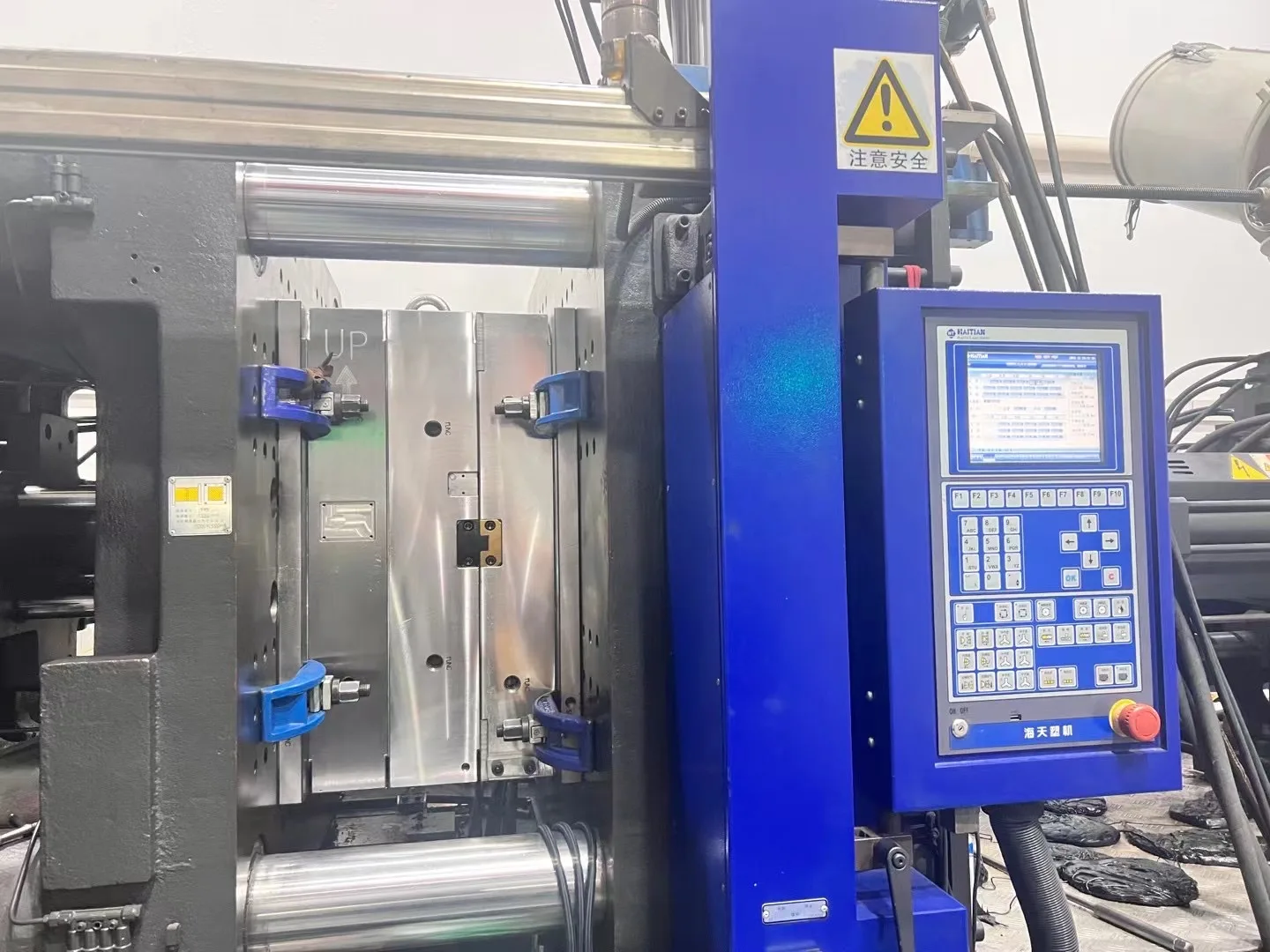
Share the available files, the job of the second material, substrate status and expected demand. Add exact grades, interface risks and acceptance methods when known; open items can be resolved during project review.