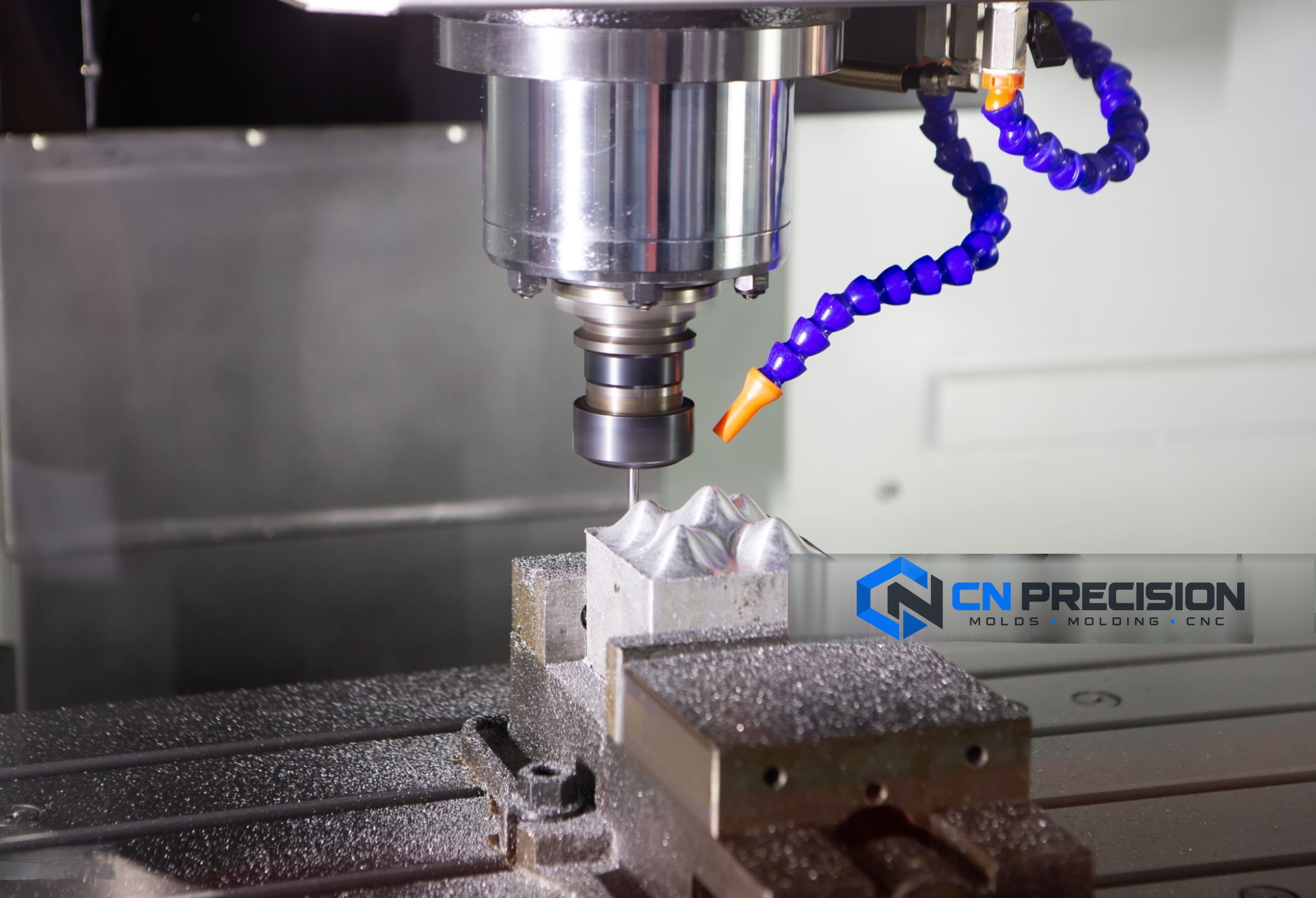
Makino machining centers in the WOKE Molds factory in Dongguan

Precision CNC machining services · Dongguan, China

Precision CNC Machining Services in China

Precision machined parts and machined components in metal and engineering plastics, made to your drawing and agreed finished condition.

As a CNC machining company in Dongguan, China, WOKE Molds connects milling, turning, EDM, grinding, finishing and inspection in one clear project scope—from an initial prototype to recurring production releases.

Find your process

Choose the process for your complete part

Start with the geometry that does the work. Each service page explains the features, access and drawing details that shape its manufacturing route.

Contoured metal part held in a vise beneath a milling spindle.

CNC Milling

Plates, housings, brackets and contoured components with pockets, bores and features across several faces. Our 3-axis and 5-axis milling capabilities support a route selected for the complete geometry.

Identify locating faces, mating features and tool-access constraints. Their relationships help determine holding and machining sequence.

Explore CNC Milling
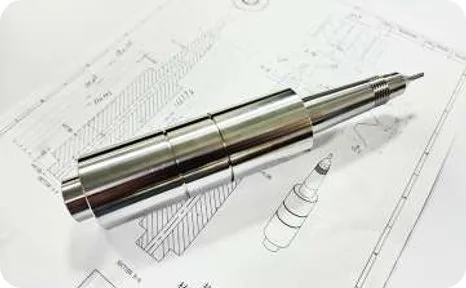
Stepped metal shaft resting on an engineering drawing

CNC Turning

Shafts, sleeves, bushings and threaded components defined by diameters, bores and axial shoulders. Turning establishes the rotational geometry; additional features become part of the complete route review.

Share the bearing fits, seating locations and functional axis relationships that matter in your assembly.

Explore CNC Turning

Choose a starting point

What does your part need to do?

Prismatic geometry

Does my part mainly need milling?

Pockets, flat locating faces and holes distributed across a plate or housing usually point toward milling. Send the complete model with the features that must align or mate. Access from several directions may affect the selected machine and holding sequence.

The CNC Milling page explains feature access and drawing priorities.

View milling guidance

Rotational geometry

Does my part mainly need turning?

Stepped diameters, axial bores and shoulders commonly point toward turning. A shaft name alone is insufficient: show which diameters establish the functional axis, which shoulders locate the assembly and which surfaces need a controlled final fit.

The CNC Turning page explains rotational features and acceptance relationships.

View turning guidance

Combined route

Can one order include turning and milling?

Yes. Include all rotational and off-axis features in the same review. A flanged shaft with flats or cross-holes may need combined operations, with attention to transferring the datum relationship between them. The project review establishes the suitable route and supplied condition.

Turn-mill solutions are assessed for each project.

Review complete-part scope

Function first

Can I inquire without choosing the process?

Yes. Share the geometry, intended function, mating parts and critical requirements. Explain what must locate, slide, seal or carry load. That gives the review a clearer starting point than selecting an operation before the full requirement is understood.

Identify open decisions so they can be resolved before a manufacturing release.

Discuss your component
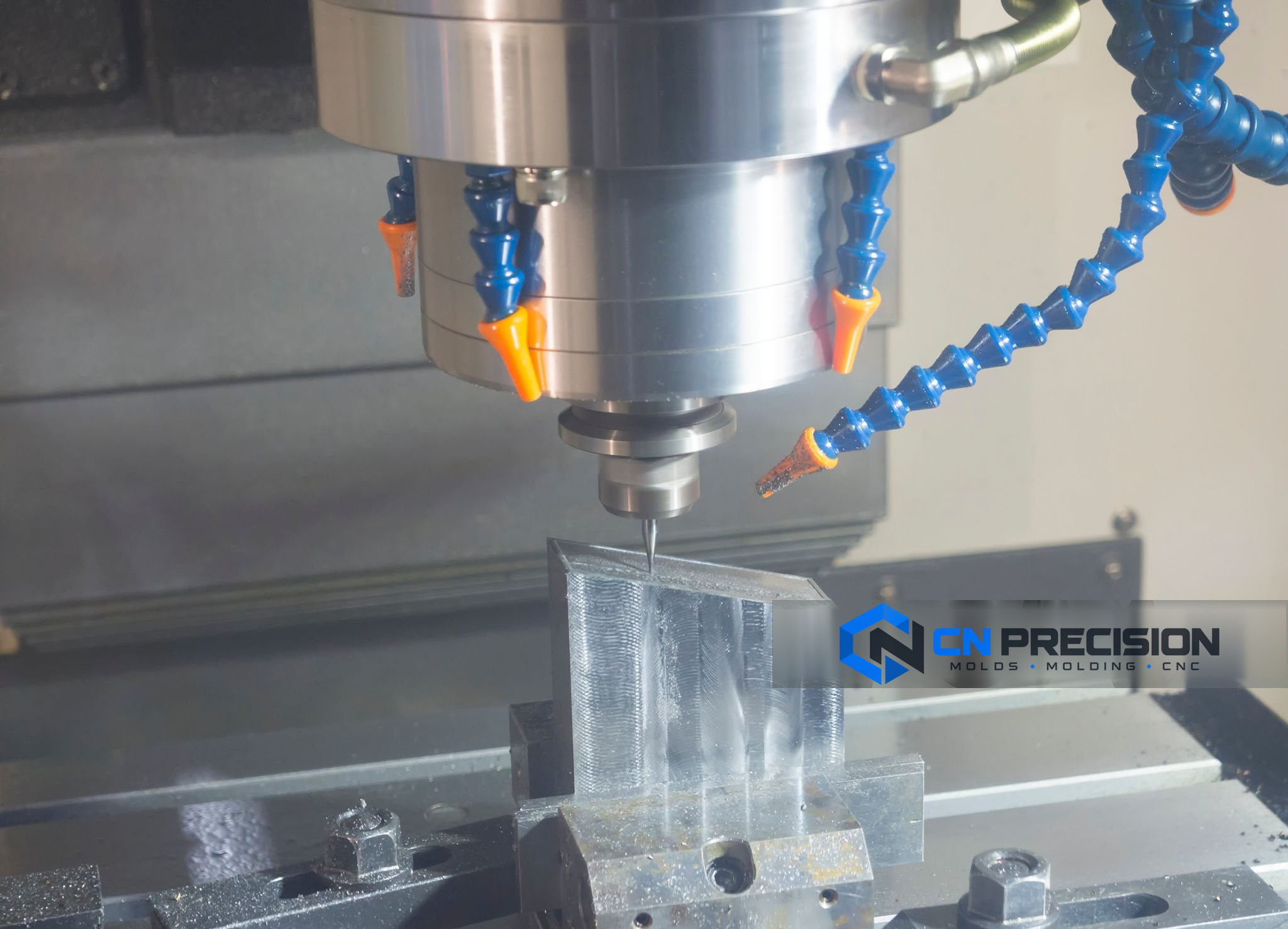
Upright rectangular machined piece beneath spindle and coolant hoses
Tool access and workholding shape the machining route.

Complete component scope

Connect every operation to the finished part

A CNC order can cover more than material removal. Bring machining, specified treatments, surface condition, inspection and packing into the quotation so the delivered component is clearly defined.

For an illustrative plate with critical bores, the review connects pocket access to bore location and the seating face. For a shaft with off-axis holes, it connects the turned axis to the later features. These relationships can matter more than the process label.

WOKE Molds supports 3-axis and 5-axis milling and turning. Wire or sinker EDM and surface or cylindrical grinding can be assessed for particular features. Their inclusion, sequence and acceptance requirements are confirmed for the project.

Multi-axis access helps address geometry; the drawing and route review establish how the component will actually be made. Material suitability, workholding, treatment and measurement remain part of that decision.

When a critical bore passes through several features, identify the shared datum and the required relationship in the released definition. If a part moves between machining and a secondary process, include the characteristics that must be maintained through that handoff. This lets the review address the complete component rather than assuming that separately acceptable features will assemble correctly.

Material decisions

Specify the material and its condition

A material family starts the conversation. The purchasing requirement should identify the specification, grade, stock form where relevant, supplied condition, required records and permitted substitutions.

Aluminum

Specify alloy, temper or condition and the relevant product specification, such as 7075 aluminum in T651. Review dimensional stability and the required final surface.

Stainless, carbon & tool steels

Identify grade, supplied condition and final hardness where required. Connect corrosion or wear needs to treatment and acceptance.

Copper & brass

State the exact grade and its functional purpose, such as conductivity, contact performance or corrosion resistance.

Titanium

Specify grade, product form and required records. Confirm suitability for the geometry and the intended manufacturing route.

Engineering plastics

PEEK, POM and nylon can be evaluated by grade, service environment and dimensional needs. Include conditioning requirements when they affect acceptance.

Start with the operating requirement

For a dimension-critical housing, review load, temperature, corrosion exposure and the stability needed through machining and finishing. For a POM sliding element, consider mating material, wear, moisture and the condition under which dimensions will be measured.

These are illustrative selection questions. Exact grade availability and any proposed substitution need project confirmation. Where traceability matters, specify the material document and its connection to the job and delivered lot.

When evaluating an alternative grade, consider the properties that motivated the original selection, the applicable product specification and any downstream treatment. Similar names or nominal chemistry do not establish interchangeability for a particular component. Identify whether your engineering team must approve a proposed substitution before material is purchased.

Finished means ready for its purpose

Will the fit still work after finishing?

Treatment and coating can change dimensions, surface behavior or appearance. Define the acceptance condition after the agreed process sequence, especially for bores, threads and locating faces.

Options can include anodizing, compatible plating, black oxide, passivation, electropolishing, blasting, coating, painting or laser marking. Material compatibility and project requirements determine the selected scope.

Functional surfaces

Purpose: Fits, threads, sealing faces and electrical contacts.

State final dimensions, texture and areas requiring protection. Review masking or allowance with the chosen treatment.

Material condition

Purpose: Heat treatment, final hardness or a specified surface process.

Agree the process sequence and the stage at which critical dimensions are accepted.

Appearance & identification

Purpose: Visible faces, color, texture, marking and acceptable cosmetic zones.

Define the relevant surfaces and reference requirements so an attractive finish also meets the component specification.

Product definition

Turn geometry into an agreed manufacturing release

Is a 3D model enough to begin? Yes. A model communicates shape and can start the review. Add a matching drawing or explicit callouts for critical dimensions, datums, threads, texture, material condition and acceptance details.

Keep the part number, revision and units consistent across files. Identify the governing drawing standard and edition where relevant. If the model, drawing and notes disagree, resolve the conflict before production release.

Explain the functional need behind critical requirements: a bearing fit, a locating face or the position of a hole relative to an assembly datum. Feature-specific requirements give the route and inspection review a usable basis.

Prototype to production

Give each approval a clear purpose

WOKE Molds supports prototypes, small and medium batches and production quantities by project. The transition between them works best when each release has an agreed objective and decision point.

Does an FAI report mean production waits? The report and an approval hold are separate requirements. If the remaining lot must wait for your acceptance, write that instruction into the agreed order scope.

For example, a prototype may validate assembly before a coating is selected. That later finish choice should trigger a review of the final fit and acceptance condition.

Record the decision associated with each submitted sample: accepted for fit testing, accepted with stated changes, or approved for the defined production condition. Connect the response to a part revision and the evidence reviewed. This avoids carrying a limited trial approval into a broader order that includes new surface, documentation or delivery requirements.

Prototype objective

Agree what the prototype must demonstrate: assembly, function, geometry or another defined question. Record any temporary material or finish differences so the learning is interpreted correctly.

Approval basis

Define the sample condition, evidence and approver. A functional prototype may still leave production material, finish, cosmetics and inspection requirements to be confirmed.

First production release

Agree whether a sample approval hold is required before the remaining lot is made. State the sample quantity, records, approval responsibility and instruction to resume production.

Repeat release

Confirm the approved revision and production basis. Review changed materials, finishing or critical requirements before applying the previous approval to a new release.

Acceptance and evidence

Specify what is checked—and how many parts

CMM and critical-feature checks can verify the drawing requirements within the agreed inspection scope. Establish the datum references, measurement method, final part condition and records needed for acceptance.

Feature coverage
Which dimensions, geometric controls, surfaces or functions are evaluated? A full-dimensional report describes characteristic coverage.
Piece coverage
How many parts from which lot are checked? Specify sampling or any required full-piece checks independently of the feature list.
Process evidence
A capability study addresses a defined characteristic using suitable production data and statistical conditions. It is a separate requirement from a dimensional report.
Operator using a coordinate measuring machine in a dimensional inspection area
Coordinate measurement provides part-specific dimensional evidence.

Agree the required package: FAI, dimensional or CMM results, material certificates, treatment records and lot identification. Confirm scope and availability in the quotation.

Connect the evidence to the supplied condition

An inspection report alone does not establish that every delivered piece was measured. Likewise, machine specifications describe equipment behavior; the component needs its own acceptance basis. For a coated locating bore, identify the final measurement stage and how its result connects to the required part and lot.

If your receiving team needs a particular report structure, include it during inquiry. Identify the part revision, characteristic references, results and lot linkage needed to interpret it. Material and treatment records answer different questions from measured dimensional results; agree both when the order requires them.

WOKE Molds

One workshop for the complete component

Our team brings 15+ years of experience. Parts are milled, turned, EDM-machined and ground on the same Makino, EDM and Okamoto equipment we use for our molds in Dongguan.

We handle material sourcing, machining, finishing and inspection as one scope, so your engineering, purchasing and receiving teams work from the same requirements.

Bring the complete component, including the features that cross process boundaries. We review the supplied condition and the information needed to quote it, rather than treating each operation as an isolated purchase.

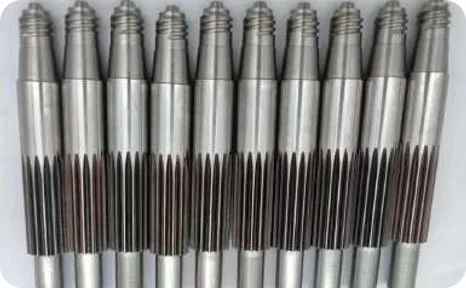
Row of metal shafts with threaded ends and splined sections
Threaded and splined shaft geometry illustrates why a complete feature review matters. Specific operations are confirmed for the part.

Comparable quotations

Compare quotes for the complete part

What makes CNC quotations comparable? The same revision, material condition, finished operations, acceptance evidence, packing and delivery basis. Confirm any separate preparation or tooling charges and the assumptions behind the price.

Preparation
Programming, workholding, tooling and measurement preparation can be spread across a manufacturing quantity.
Part production
Material yield, cutting time, handling, treatment batches and inspection scope influence the finished-part cost.
Release and schedule
Material availability, approvals, route preparation, treatments, verification and transport shape the confirmed timing.

Quote the prototype, first batch and expected repeat releases separately. Annual demand supports planning; the quantity and timing of each actual release determine the order being priced.

Distinguish the manufacturing completion date from the date parts must arrive at your destination. Include time for the agreed approval decisions, document review and transport. If these dates change, reassess the schedule against the current scope rather than carrying an earlier assumption forward.

Repeat supply and receiving

Keep the next release on an agreed baseline

What should be reconfirmed on a repeat order? Part number, revision, material grade and condition, finish, critical requirements, acceptance records and release quantity. Include variants and delivery cadence in the plan.

Agree which material, stock-source, route, treatment or inspection changes require review. The same CAD file can accompany a changed finish note or material condition, so compare the complete order definition.

Keep useful production knowledge

For an ongoing program, agree which programs, fixtures and inspection records should remain available and for how long. Define lot identification and how required material or treatment records connect to the supplied release.

Protect the working surfaces

Identify fits, threads, edges and cosmetic faces needing separation or protection. Specify cleanliness or corrosion-protection needs where relevant, with labels and documents suited to receiving. For a mixed-variant shipment, agree how parts are separated and identified so similar-looking revisions remain distinguishable. Specify whether required records accompany the shipment or are supplied separately, and confirm any handling restrictions affecting functional or cosmetic surfaces.

Define delivery responsibilities

EXW, FOB or DDP can be scoped for the project. Provide the destination and required arrival date; confirm freight, duties, import responsibilities and shipment documents in the quotation.

Practical answers

Precision CNC machining services questions

Can you help if I do not know which CNC process to choose?

Yes. Send the complete part geometry, its intended function and critical mating requirements. We assess a suitable route, including milling, turning and any additional operations needed for the agreed finished component.

Can I start with a model while the drawing is being completed?

Yes. Identify the model revision and the requirements still being decided. Critical tolerances, material condition, threads, finish and acceptance details need a consistent approved definition before production release.

Can the order include both milling and turning?

Yes, include the complete geometry and the relationships between features. Combined operations and turn-mill-related solutions are evaluated for the project and our in-house equipment.

Can you assess a prototype or a small first order?

Yes. Share the initial quantity and likely repeat demand. The part, stock purchase, preparation, treatment batches and inspection scope determine the feasible order and quotation.

What sizes and tolerances can you accept?

Send the full geometry and feature-specific requirements. Feasibility depends on material, access, support, manufacturing sequence and measurement. The review establishes the accepted part scope rather than a universal tolerance or size limit. For general tolerances and fits, see our ISO 2768 and ISO 286 tolerance calculator.

Which CAD revision should I send for a repeat or revised part?

Send the current approved dataset and identify changes from the previous release. Keep model, drawing, units, notes and revision identifiers consistent so the quotation and production release use the intended definition.

Can I request FAI or CMM reports?

Yes. Specify the required characteristics, number of pieces, measurement condition and report format. If production must wait for your approval, also agree an explicit hold point and release responsibility.

Can you provide material certificates?

Specify the material specification, certificate type and required heat or lot linkage at inquiry. Availability and traceability to the selected stock and delivered parts are confirmed for the order.

Can the component be supplied with its final finish?

Include the treatment, final condition, appearance and protected-surface requirements in the RFQ. We confirm a compatible scope and the acceptance stage for the completed component.

Can one production program include several part variants?

Share each part number, revision and release quantity. Identify common and differing requirements, including material, features, finish and inspection. Variant planning and identification can then be included in the project scope.

Can you review an urgent required date?

Yes. Provide the receiving date and destination with the drawing and quantity. Material, approvals, preparation, treatments, inspection and transport need to be checked before a delivery schedule is confirmed.

Can you arrange international delivery?

EXW, FOB or DDP can be scoped by project. Provide the destination and receiving needs so packing, freight, duties, import responsibilities and required documents are clear in the quotation.

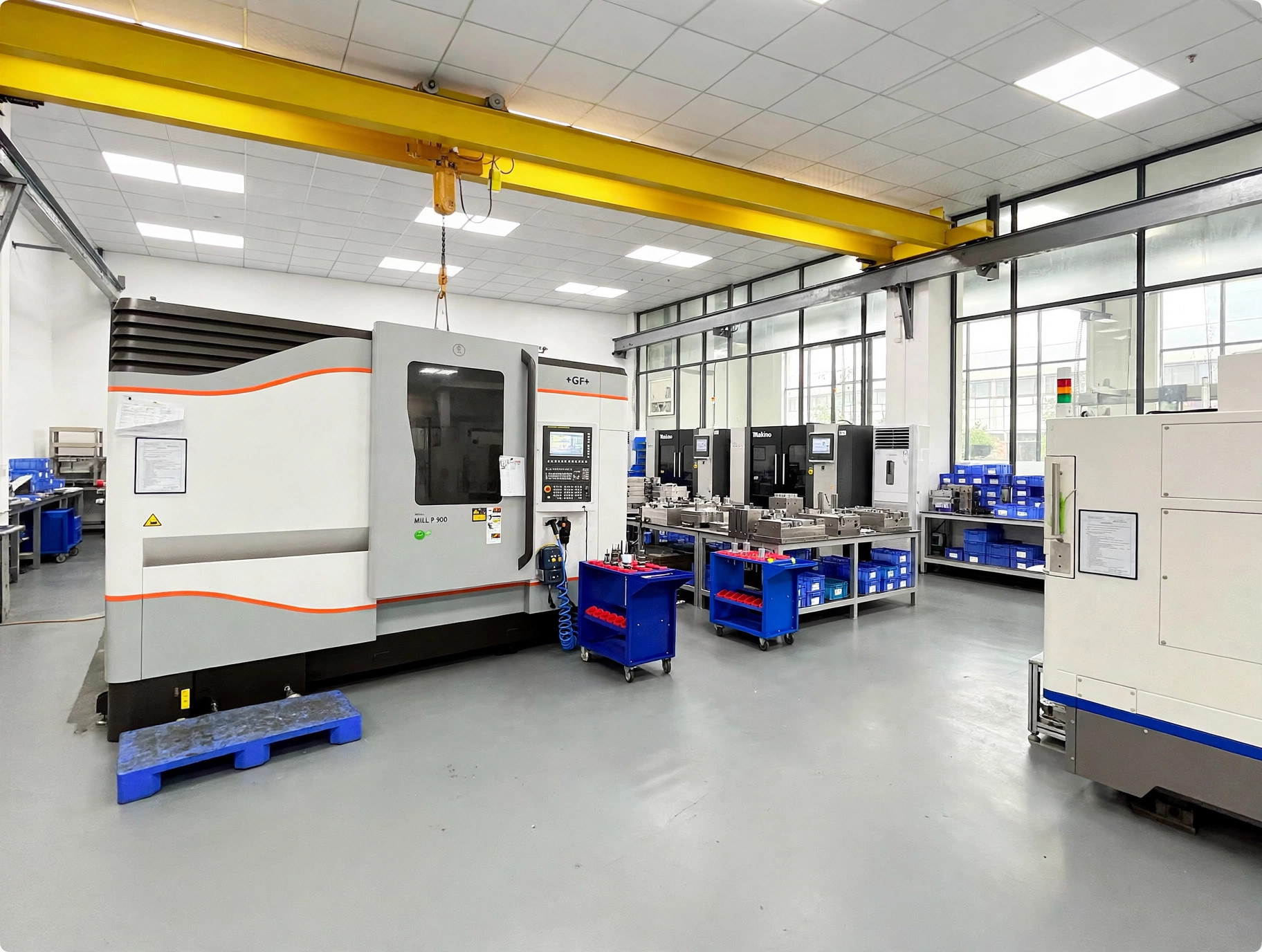
Makino machining centers in the WOKE Molds factory in Dongguan

Start with your component

Discuss Your CNC Machining Project

Share what your part must do, the current drawing, material and expected quantities. Add the finished condition and critical acceptance needs for a focused project review.

Have 3D models or 2D drawings? Email your files to peter@wokemolds.com.

Please review our Privacy Policy before sending project details.