Custom plastic enclosures · Injection molding in China

Custom Plastic Enclosures for Electronics and Devices

Develop custom plastic enclosures and injection molded housings for electronic devices, instruments, controls and power products. WOKE Molds handles enclosure DFM, tooling, molding, inserts and inspection in our own factories in Dongguan and Shenzhen, from T1 samples to repeat production.

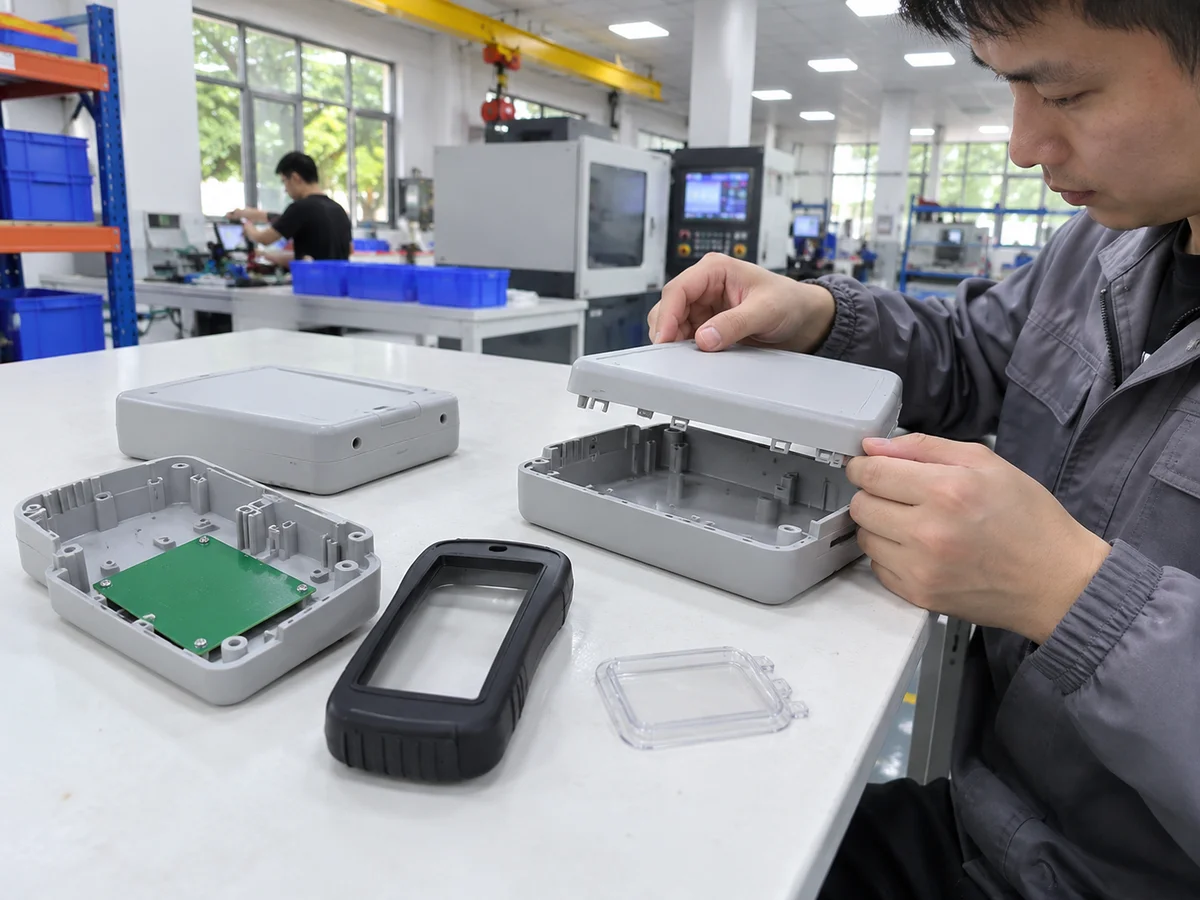
Custom plastic enclosures and injection molded housings checked on a workbench
Two-piece molded housings checked for fit before approval.
  • 15+ years of team experience in molds and molded parts
  • Enclosure molds with slides, lifters and textured cavities
  • Brass inserts, overmolded seals and two-shot buttons
  • Laser marking available in our Dongguan factory

Enclosure types

Plastic enclosures molded around your electronics

Plastic electronic enclosures must protect the board, align with buttons, displays and connectors, seal when required and look right on every visible face. We mold small and medium plastic housing parts to customer drawings, with the mold built around the assembly, not just the outer shape.

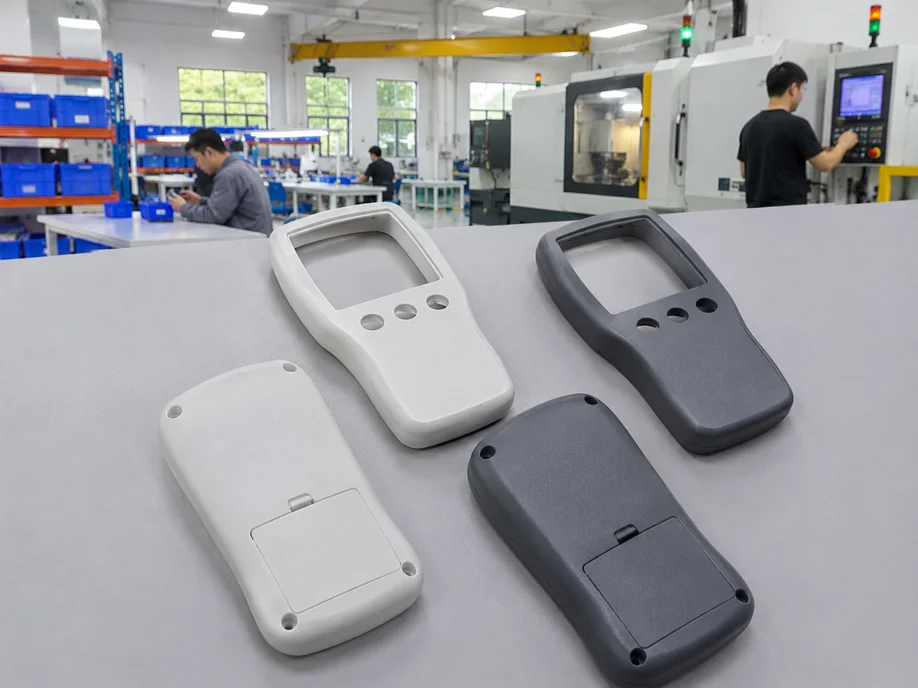
Injection molded handheld device housings in white and grey PC/ABS

Handheld and desktop device housings

Front and rear covers, battery doors, button frames and stands for meters, controllers, scanners and consumer electronics.

Focus: Parting line position, texture and color match, snap-fit closure, screw boss strength and gap and flush between halves.

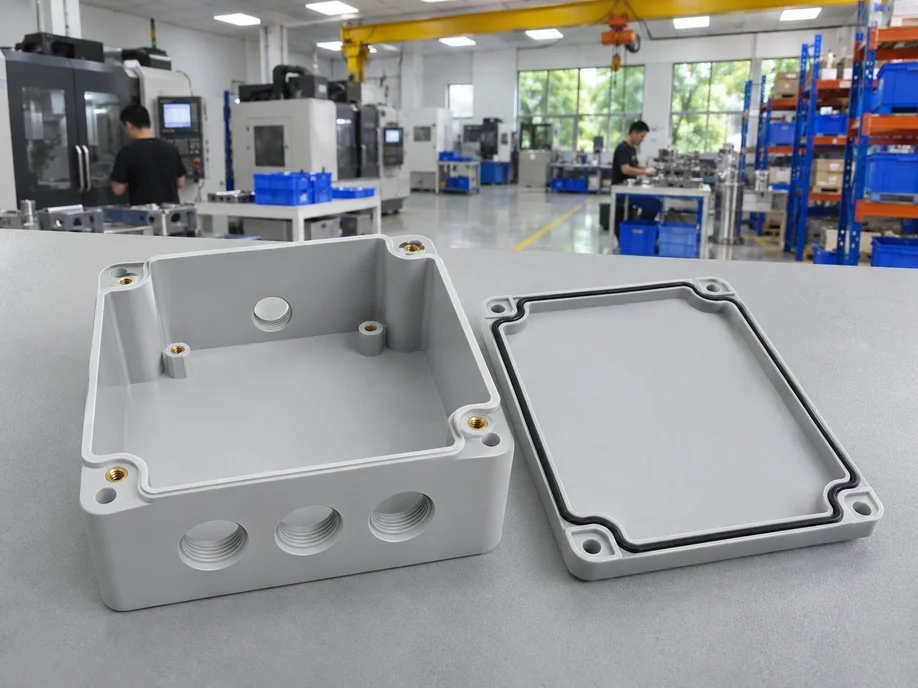
Plastic electrical enclosure with gasket groove, screw bosses and brass inserts

Electrical and control enclosures

Junction boxes, control boxes, sensor and meter housings, and plastic electrical enclosures with gasket grooves and cable entries.

Focus: Gasket compression, flatness of sealing faces, insert pull-out, flame-rated grades and UV stability for outdoor use.

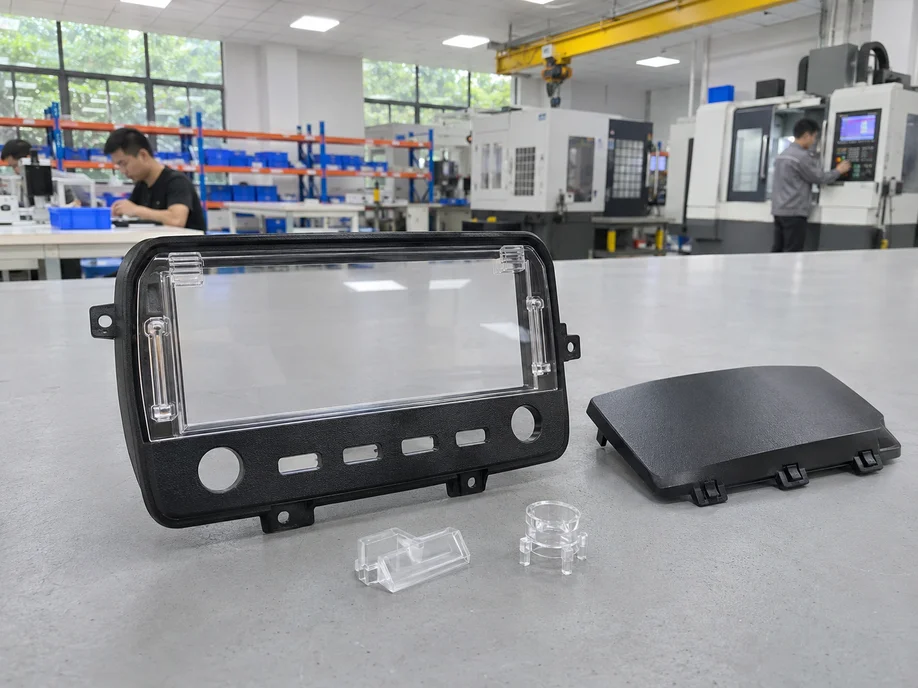
Black plastic enclosure bezel with clear polycarbonate window and light pipes

Windows, bezels and light pipes

Clear windows, display bezels, light pipes and lens covers molded in PC or PMMA, alone or with an opaque frame.

Focus: Optical clarity, flow and gate marks, scratch protection, stress cracking near fasteners and assembly fit.

Sealing ratings such as IP65 or IP67 and flame ratings such as UL 94 V-0 depend on the full design, material grade and testing. We work to the specified grade and test plan; we do not certify products.

Material direction

Choose enclosure materials for impact, heat, flame and appearance

Common enclosure materials are ABS, PC, PC/ABS, PA, PBT, PP and ASA, with flame-retardant, UV-stabilized and glass-filled versions. The grade is fixed against the drop and impact needs, operating temperature, flame requirement, chemical exposure and cosmetic standard of the product.

For background, see polycarbonate vs ABS and flame retardant plastics, then confirm the selected grade against supplier data.

Possible starting families ABS or PC/ABS

ABS gives a good surface and low cost; PC/ABS adds impact strength and heat resistance for handheld and desktop devices. Texture, color and gloss are approved on molded samples.

Requirements that narrow the exact grade
  • Drop, impact and load requirements
  • Operating and storage temperature
  • Flame rating and rated thickness
  • Sealing level and gasket type
  • UV, chemical and cleaning agent exposure
  • Color, gloss and texture standard
  • EMI shielding or conductive coating needs
  • Regulatory requirements such as RoHS or REACH

Flame and sealing ratings are product-level results. Agree which tests are required, who performs them and which samples are used before tooling is frozen.

Engineering before tooling

Design the enclosure for molding and assembly

Enclosure DFM after kickoff checks walls, draft, bosses, ribs, snap fits, gasket grooves and the parting line together with the board, buttons, display and connectors. Moldflow is used when warpage of large flat faces or filling of thin walls needs deeper analysis.

Related guides cover screw boss design, snap fit design and injection molding wall thickness.

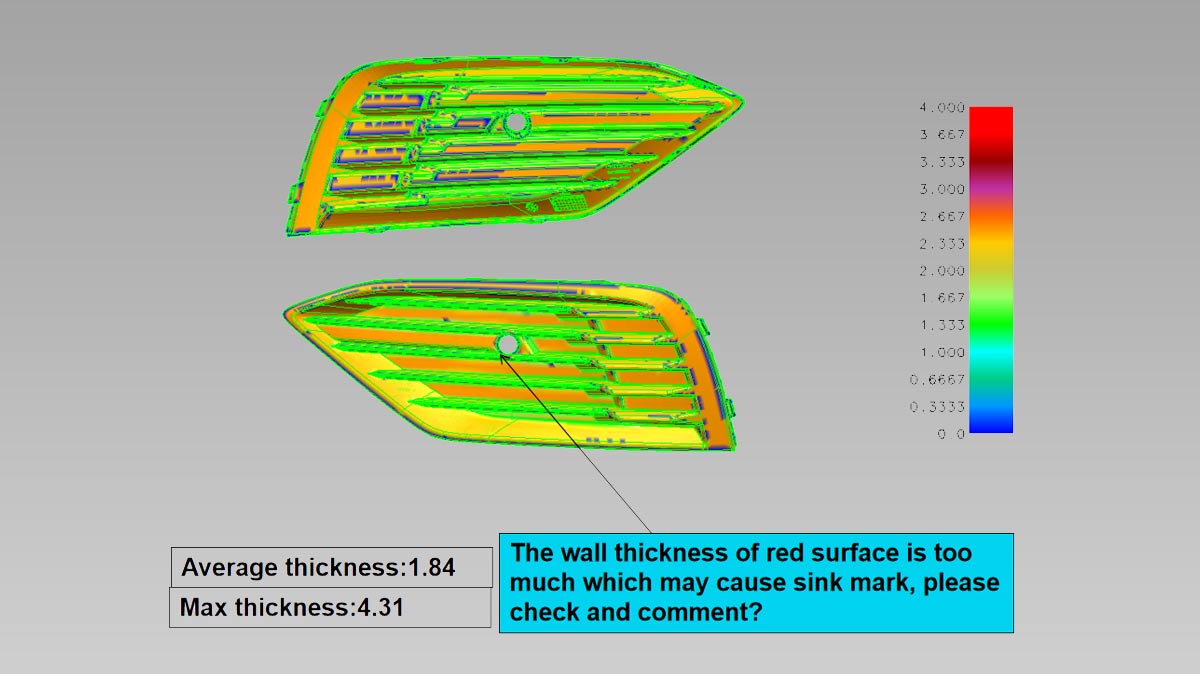
DFM wall thickness analysis of a molded part highlighting thick areas that may sink
Wall-thickness check from a DFM report; shown as an engineering example of how sink risk is flagged.
Wall thickness and sink

QuestionWill thick bosses and ribs show sink on visible faces?

Engineering actionKeep walls uniform, core out thick areas, set rib and boss ratios and place texture where sink would show.

ValidationCheck visible faces under the agreed light and measure wall-related warpage on trial parts.

Bosses, inserts and fasteners

QuestionWill screws or inserts hold without cracking the housing?

Engineering actionSize bosses for self-tapping screws or heat-set and molded-in brass inserts; add gussets and avoid sharp corners.

ValidationRun torque, strip and pull-out tests on molded parts.

Parting line, gap and flush

QuestionWill the two halves close evenly with an acceptable gap?

Engineering actionPlace the parting line on a step or edge, add locating lips and control shrinkage on long walls.

ValidationMeasure gap and flush on assembled samples with the agreed fixture.

Sealing and gaskets

QuestionWill the gasket compress evenly around the whole perimeter?

Engineering actionDesign groove depth and width for the gasket, keep sealing faces flat and stiff and choose fastener spacing.

ValidationCheck flatness and run the specified water or dust test on assembled samples.

Project route

From enclosure design to repeat production

Each stage leaves a clear output, so the enclosure that passes assembly and testing is the one that is produced in later lots.

  1. 01

    RFQ and review

    Review 3D and 2D data, board and component layout, material, volume, cosmetic and sealing requirements.

    Stage output: Quotation with mold concept, cavity plan and open questions.

  2. 02

    DFM and mold design

    Resolve draft, bosses, snap fits, parting line, slides and texture; agree gate and ejector positions on visible faces.

    Stage output: Approved DFM and mold design.

  3. 03

    Tooling and T1

    Build the mold, mold T1 parts and check fit with the board and mating part.

    Stage output: T1 samples, dimensional report and fit notes.

  4. 04

    Texture, color and approval

    Apply texture, match color, correct fit issues and complete agreed tests.

    Stage output: Approved golden samples and inspection plan.

  5. 05

    Production and finishing

    Mold, insert, laser mark and pack to the agreed specification.

    Stage output: Production lots with outgoing inspection records.

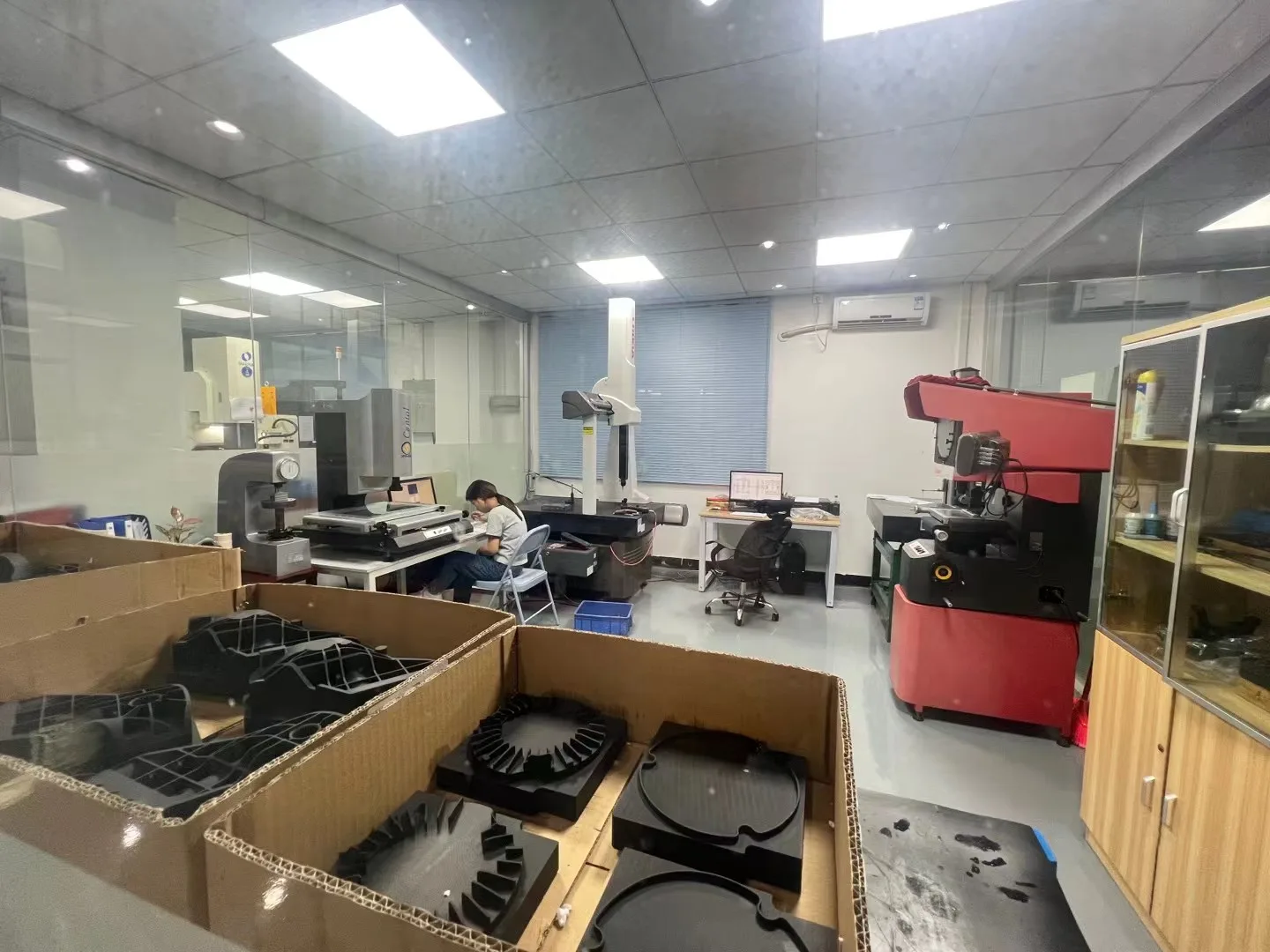
Inspection room with measuring equipment and molded plastic parts in cartons
Inspection room context for molded-part measurement and lot review.

Acceptance plan

Inspection for plastic enclosures

Enclosure inspection focuses on fit with the electronics, appearance on visible faces and the functional checks the product needs.

Fit and dimensions

CMM and fixture checks of datums, boss positions, openings, gap and flush with the mating part.

Appearance

Color, gloss, texture, gate marks and surface defects checked against golden samples.

Function

Snap-fit closing force, insert torque and pull-out, and gasket compression where specified.

Records

Material lot, production date and inspection results linked to each shipment.

Quote economics

What drives the cost of custom plastic enclosures

Enclosure cost depends on part size, number of parts per set, slides and lifters, texture, cavities, inserts, finishing and the inspection plan.

01

One-time costs

Molds for each housing part, texturing, fixtures, samples and agreed tests.

02

Recurring costs

Resin grade, cycle time, inserts and assembly, laser marking or other finishing, inspection and packaging.

Give the engineering team enough context to quote the right production route

Start with the controlled files and requirements you already have. Open items can be identified during review; the goal is to avoid a low-confidence quote built on silent assumptions.

  • Part definition3D CAD and controlled 2D drawing · Revision and units · CTQs, datums and mating/assembly information
  • Material and useExact approved grade or required performance · Color, reinforcement and flame/regulatory needs · Temperature, chemicals, moisture, UV, load and wear conditions
  • Demand and approvalAnnual forecast and typical release quantity · Current program stage and target timing · Dimensional, appearance, function and documentation expectations
  • Supply scopeNeed for project tooling and any available tooling records · Packaging and label requirements · Ship-to country and preferred Incoterm

Practical answers

Custom plastic enclosures questions

What sizes of plastic enclosures do you mold?

We focus on small and medium enclosures, from handheld device housings to control boxes that fit our presses up to 380 T in Shenzhen.

Can you make waterproof plastic enclosures?

Yes, enclosures can be designed and molded with gasket grooves, overmolded seals and suitable fasteners. The IP rating is confirmed by the specified test on the complete product.

Which materials are best for electronic enclosures?

ABS and PC/ABS for most devices, PC for impact, flame-retardant grades for electrical products and ASA or UV-stabilized PC outdoors.

Can you add inserts, buttons or markings?

Yes. Brass inserts, overmolded TPE seals, two-shot buttons and laser marking are common options.

Do you design the enclosure?

We review your design for molding and suggest changes; product design responsibility stays with the customer.

What do you need for a quote?

A 3D model and 2D drawing of each housing part. Board layout, material, annual volume and cosmetic and sealing requirements help us quote accurately.

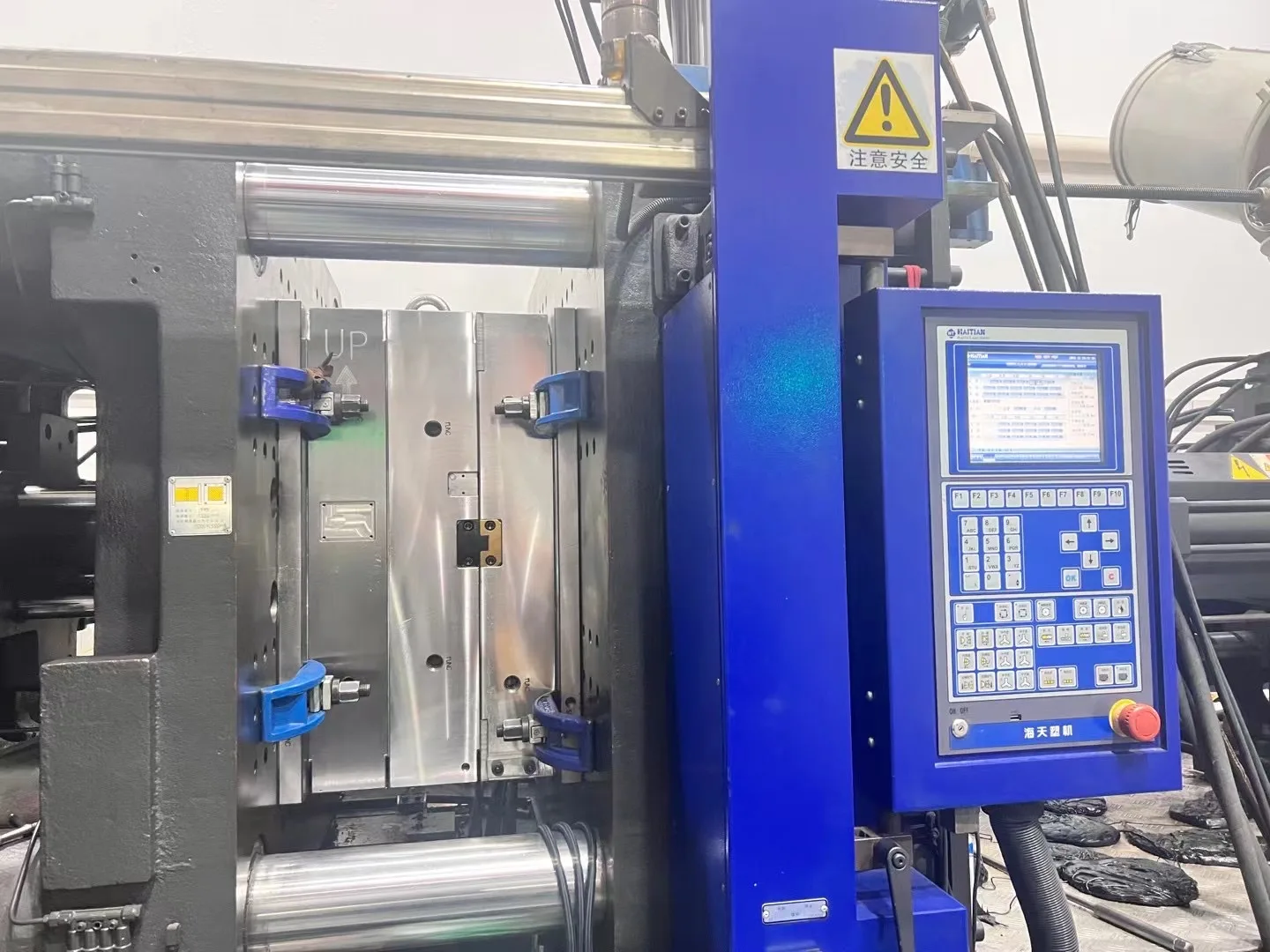
Injection molding machine with a mounted mold and control panel

Start with your controlled files

Discuss your custom plastic enclosure

Send the enclosure models and drawings with the requirements you already know. We will review moldability, tooling and finishing, and reply with questions or a quotation.

Have 3D models or 2D drawings? Email your files to peter@wokemolds.com.

Please review our Privacy Policy before sending project details.