
Injection Molding Quote: 10 Essential Details to Send
An injection molding quote is easier to compare when every supplier receives the same drawing revision, material specification, demand forecast and acceptance requirements. The useful number is the price for an agreed scope—not a unit price built on assumptions you have not seen.
A missing cosmetic requirement or inspection report can make a low offer look attractive until it becomes an extra charge. Before requesting an injection molding quote for plastic parts production, define what must be delivered, what remains open and which decisions you want the supplier to propose.
Separate the mold investment from recurring part production. Give suppliers a common technical baseline and ask them to disclose assumptions, exclusions and approval milestones. A preliminary request can include open questions, provided they are clearly identified.
In short: a comparable quote starts with a controlled specification and a clearly divided scope.
Key points:
- Send matching CAD, drawings and material requirements, with critical features clearly marked.
- Separate tooling, production, inspection, secondary operations and delivery costs.
- Compare the assumptions and acceptance evidence before comparing totals.
What are you buying in the injection molding quote?
State whether the injection molding quote covers a mold, finished plastic parts or both. These are different deliverables, even when one supplier coordinates the complete project.
At WOKE Molds, mold development and continuing molded-part supply are separate scopes. This distinction determines which machine interfaces, approval documents, packaging and handover information belong in the request.
| Purchase scope | Define in the request | Ask the supplier to separate |
|---|---|---|
| Mold for delivery to your molding location | Receiving machine, intended resin, demand and handover requirements | Tool engineering and build, trials, agreed documents, spares and mold shipment |
| Mold development plus parts production | Part acceptance, demand forecast and supply schedule | One-time tooling investment, production prices and recurring operations |
| Parts from an existing mold | Available tool records, condition, machine requirements and ownership authorization | Tool assessment or adaptation, production and responsibility for identified issues |
An existing mold requires a project-specific assessment; its availability does not prove it can run at another facility without changes. For a new tool, define the handover scope through the injection mold manufacturing requirements before comparing it with a parts-only offer.
Key Takeaway: Name the deliverable first. A tooling offer and a molded-part offer are not directly comparable totals.
Which files and revisions should an injection molding quote use?
Use one controlled design baseline for the injection molding quote: the current 3D model, a matching 2D drawing where requirements need callouts, and a short revision record. Identify the part number, units and assembly relationship.
The model communicates geometry. The drawing can add datums, tolerances, inserts, surface requirements and acceptance notes. If the files disagree, tell the supplier which requirement governs and resolve the conflict before approving manufacture.
Send an assembly view or mating-part information when a fit cannot be understood from the individual component. Mark dimensions or features still under development rather than presenting them as released requirements.
A practical file-control checklist is:
- One part number and revision across the CAD, print and RFQ cover sheet.
- A dated list of changes that affect fit, appearance or manufacturing.
- Clear identification of reference-only files and obsolete versions.
- A stated rule for clarifications and design approval.
Key Takeaway: Quote a named revision. An unlabeled CAD update can invalidate the comparison you made yesterday.
Which material details belong in an injection molding quote request?
Specify the resin manufacturer and commercial grade when they are fixed, or describe the performance requirements and permitted alternatives when selection remains open. A polymer family alone is often too broad for a firm injection molding quote.
Include reinforcement, additives, color reference and any material restrictions relevant to the product. State whether substitutes require written approval and whether material is supplied by the buyer or sourced by the molder.
The reason is technical as well as commercial. For example, BASF’s Ultradur processing guidance explains that shrinkage depends on the material, geometry, gate and processing conditions. A change of grade can therefore require a review of dimensional and tooling assumptions; it is not simply a purchasing substitution.
If the grade is undecided, request a named proposed material and its assumptions. Use the injection molding material selection guide to organize the operating temperature, loading, environment and appearance requirements that the supplier must consider.
Key Takeaway: Make material uncertainty visible. Compare named options instead of allowing each supplier to assume a different resin.
How should you describe quantities and timing for a molding quote?
Give the injection molding quote a demand profile, not just one annual total. Separate development samples, the first production release, typical order quantities, annual forecast and expected program duration.
Also identify peak delivery requirements and the confidence level of the forecast. A supplier needs to distinguish a firm release from a possible future increase before proposing production capacity and tool configuration.
For an early program, ask for prices at a small set of realistic order quantities. Keep the material, quality and packaging assumptions identical between those price breaks. Otherwise, an apparent quantity discount may include a change in scope.
Distinguish your required delivery date from the supplier’s estimated manufacturing duration. State the dates for design release, sample approval and production need, and ask what starts the quoted lead-time clock.
Key Takeaway: Separate launch needs from forecast demand, and tie the schedule to identifiable approvals.
Which tolerances and critical features should the molding quote identify?
Identify the dimensions and functions that determine acceptance, then connect them to a measurement method. The injection molding quote should price those requirements rather than assume that every dimension needs the same level of control.
For each critical-to-quality feature, explain what fails if it is wrong: assembly interference, leakage, alignment, retention or another defined function. Agree the datum setup, part condition and report requirement where they affect the result.
| Feature example | Explain the function | Define the inspection basis |
|---|---|---|
| Housing-to-cover interface | Assembly fit and alignment | Datum setup, inspection points and permitted assembly condition |
| Sealing surface | Contact with a gasket or mating component | Drawing requirement, measurement method and any separate functional test |
| Insert location | Position relative to mating hardware | Insert specification, reference datums and agreed check |
| Snap feature | Assembly and retention behavior | Relevant dimensions and a separately defined functional acceptance method |
These are planning examples, not suggested tolerances. Xometry’s published molding standards illustrate why tighter requirements can change tooling and tuning work. Ask each supplier to identify exceptions and the proposed verification route before order placement.
Key Takeaway: Specify the critical requirement and how it will be checked. A tolerance without an agreed inspection basis leaves room for disagreement.
How should a molding quote define cosmetic surfaces and finish?
Mark visible surfaces and define an approval reference for texture, gloss and color. An injection molding quote cannot reliably price “good appearance” as if it were a measurable specification.
Show where gate vestiges, ejector marks, parting lines or permitted witness marks would interfere with the product’s appearance or use. A marked-up view is often clearer than a general sentence asking for a flawless part.
Where appearance matters, agree the applicable finish designation or reference sample and the viewing conditions used for approval. A color name or screen image alone may not describe the acceptable result on a textured, filled or translucent material.
Separate molded appearance from later printing, coating, marking or assembly. For each secondary operation, identify the surface, artwork revision, color reference and acceptance responsibility. This prevents two suppliers from quoting different finished conditions.
Key Takeaway: Define the visible result and the approval reference, then separate any post-molding work.
Which tooling assumptions should an injection molding quote disclose?
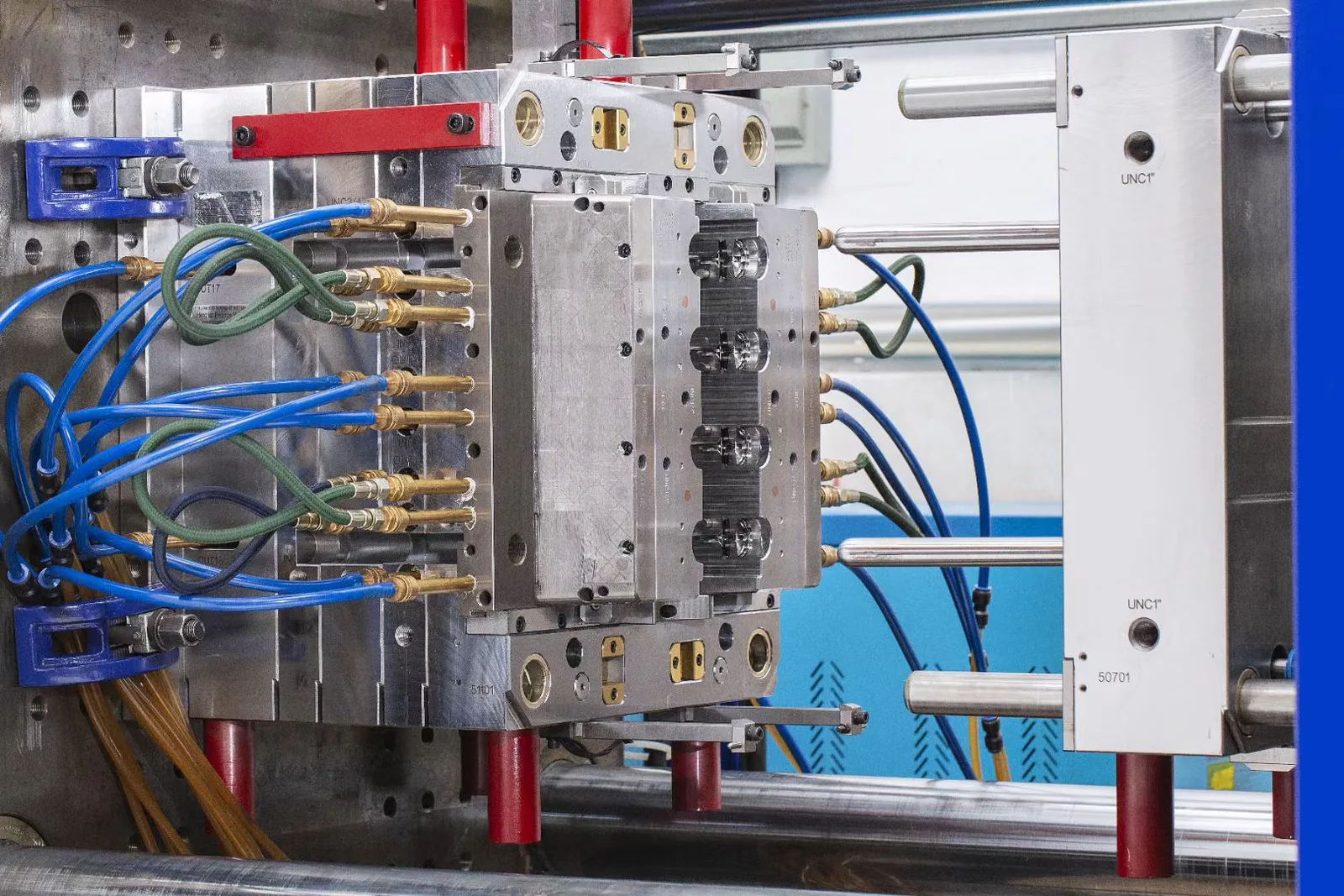
Ask the supplier to state its proposed cavity count, runner approach, tool material and major mechanisms. The injection molding quote should explain the production assumptions behind those choices.
If you own the receiving molding equipment, provide the relevant machine-interface information and ask the toolmaker to confirm compatibility. If the supplier will produce the parts, ask how the proposed tool supports the demand profile and qualification plan.
Avoid prescribing a high cavity count only to chase a lower unit price. More cavities can change the tool investment, balancing work and cavity-specific inspection scope. A useful proposal explains the trade-off for your part and demand rather than presenting cavity count as a quality ranking.
Clarify who owns the mold, which maintenance and spare-parts responsibilities apply, and which drawings or records form part of the agreed handover. Where a choice remains open, request a separately priced alternative with its assumptions intact.
Key Takeaway: Compare tooling strategies against demand and acceptance needs, not cavity count alone.
What samples, inspection and approval work belong in the molding quote?
List the evidence needed to approve the tool and release production, and ask which items the injection molding quote includes. Sample pieces, dimensional reports and production approval documents are related but distinct deliverables.
Define sample quantity, material and color, inspection scope, report format and approval responsibility. If you require FAI, PPAP or another named package, specify the applicable content and customer requirements rather than relying on an abbreviation.
At WOKE Molds, inspection documents and engineering activities are agreed for the project. Formal DFM follows project confirmation and kickoff; the quotation should distinguish its engineering scope from the information needed for an initial assessment.
Discuss how trial findings and approved design changes will be handled. In particular, ask who confirms corrective actions, what evidence closes an issue and when the production schedule can be released. Sample approval should not silently become permission for unrestricted production.
Key Takeaway: Define the approval evidence and decision owner before comparing validation costs or promising a launch date.
Which delivery and commercial terms should the molding quote include?
State the destination and delivery scope so the injection molding quote makes clear which transport, packing and commercial costs are included. A factory price and a delivered price need separate comparison lines.
For WOKE Molds projects, EXW, FOB or DDP arrangements can be discussed according to the destination and agreed scope. Ask for the named place, applicable terms, included charges and exclusions. Confirm who handles customs-related responsibilities and taxes in the specific transaction rather than assuming a three-letter label resolves every detail.
Also clarify payment milestones, quote validity, packaging specification and any recurring batch charges. Keep mold shipment requirements separate from molded-part packing and delivery.
If a target date is critical, request a schedule that identifies engineering approval, manufacturing, trials, acceptance and shipment. A single lead-time figure does not show which customer decisions or third-party operations it depends on.
Key Takeaway: Compare prices at the same delivery boundary, with the same packing and milestone assumptions.
How do you compare injection molding quotes on the same basis?
Normalize the scope before ranking injection molding quotes by price. Put each supplier’s assumptions next to the requirement and resolve material differences before treating the totals as alternatives.
| Comparison line | Confirm in each proposal | Common gap to resolve |
|---|---|---|
| Design basis | Part number, revision and governing files | Different CAD versions or unpriced drawing notes |
| Material and appearance | Named grade or proposed option, color and finish | Unapproved substitution or incomplete cosmetic scope |
| Tool investment | Cavities, runner, mechanisms and ownership | Unstated tool strategy or handover exclusions |
| Recurring production | Order quantity, included operations and packing | Different batch assumptions or missing secondary work |
| Acceptance | Samples, inspection, reports and approval gates | Documents or functional checks priced separately |
| Delivery and changes | Destination, timing basis, terms and change process | Different shipping boundaries or undefined revision costs |
For a cost breakdown, read our guide to estimating injection molding costs. Use that breakdown to ask better questions; it cannot replace a part-specific offer.
For a first RFQ, send the files and requirements already available. Add a short open-items list covering unresolved material, demand or design decisions, and ask the supplier to separate confirmed pricing from provisional assumptions.
Key Takeaway: The best comparison explains both the price difference and the scope difference behind it.
FAQ
- Can I request an injection molding quote before the design is final?
- Yes. Identify the current revision and unresolved features, and ask which assumptions make the estimate provisional. Reconfirm the quotation against the approved design before authorizing manufacture.
- Can I start with only a 3D model?
- You can start a discussion with the model you have. Add a 2D drawing when tolerances, datums, inserts, cosmetic limits or other acceptance requirements are not defined in the model.
- What if I have not selected a resin grade?
- Describe the operating environment, mechanical needs, appearance and relevant material restrictions. Ask the supplier to identify its proposed grade and alternatives so the quotes use a visible, comparable basis.
- Should mold cost and part price be quoted separately?
- Yes. Separating the one-time tool investment from recurring production makes quantity breaks, secondary operations, inspection and delivery easier to compare.
- Does the lowest unit price mean the lowest project cost?
- Not necessarily. Compare the tool investment, order quantities, included operations, inspection, packaging and delivery boundary before judging the overall proposal.
- Do all injection molding projects need PPAP?
- No. The required approval evidence depends on the customer and program. If PPAP is required, define its applicable content and approval conditions in the RFQ instead of assuming a standard package is included.
Conclusion
A useful RFQ gives suppliers the same design, material, demand and acceptance basis while making open questions visible. WOKE Molds can discuss mold development and molded-part supply as clearly defined project scopes. Send your available project details to start that discussion.