
Materials & Part Design
Guides to plastic materials and molded-part design, including polymer comparisons, resin selection, draft, wall thickness, ribs, threads and shrinkage. Relate material behavior and geometry to the requirements of your component.
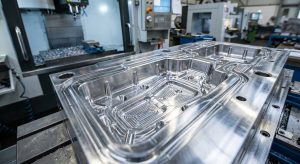
Draft Angle Guidelines for Injection Molding
Draft angle guidelines for injection molding involve applying a slight taper to faces that move relative to the mold during ejection. Insufficient…
Injection Mold Design Review: Core, Cavity, Undercuts and Tool Validation
Advanced mold DFM turns a part design into a maintainable tool concept. For foundations, see the beginner guide; for input readiness, use…
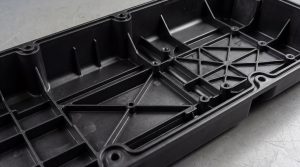
Basics of Injection Molding Design
Before formal DFM begins, a molded-part design needs a release package that is specific enough for a mold team to review. This…
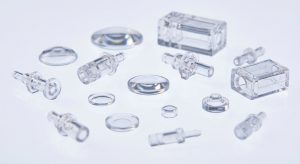
Comprehensive List of Transparent Polymers
Comprehensive List of Transparent Polymers includes a wide range of materials such as Polycarbonate, PMMA, PET, and specialized copolymers engineered for optical…

These are the Five Best UV-Resistant Plastics on the Market Today
The five best UV-resistant plastics available today are Acrylic, High-Density Polyethylene (HDPE), Polycarbonate, Polyamide-Imide (PAI), and Polyvinylidene Fluoride (PVDF). Your outdoor components…

Plastic Shrinkage
Dimensional accuracy depends on managing plastic shrinkage from material selection and part design through mold trials and production control. Parts can miss…
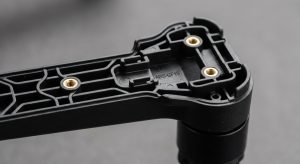
ABS Injection Molding
ABS injection molding melts a selected acrylonitrile butadiene styrene grade and injects it into a purpose-built mold. ABS can offer a useful…

Polycarbonate Injection Molding
Polycarbonate injection molding can produce transparent or opaque parts where a selected PC grade offers the required impact behavior, heat performance and…

Nylon Injection Molding
Manufacturers often struggle with plastic parts that fail under high thermal stress or mechanical friction, leading to brittle failures and operational downtime….