
Materials & Part Design
Guides to plastic materials and molded-part design, including polymer comparisons, resin selection, draft, wall thickness, ribs, threads and shrinkage. Relate material behavior and geometry to the requirements of your component.
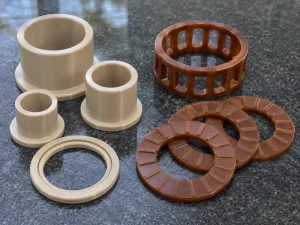
PEEK vs Torlon: How to Pick the Best One Without Waste
PEEK vs Torlon (PAI) for engineering parts: strength at temperature, wear, chemicals and steam, moisture, molding and machining, cost and how to choose….
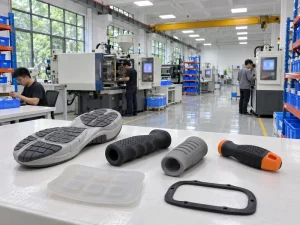
TPR vs TPE: How to Pick the Best One Without Costly Mistakes
TPR vs TPE explained: what TPR is made of, how TPE types compare, overmolding bonds, hardness, molding and how to specify elastomers before quotes….
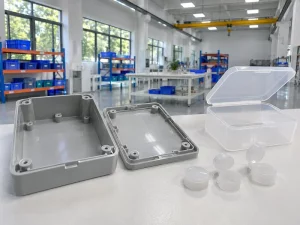
ABS vs Polypropylene: How to Pick the Best One Without Waste
ABS vs polypropylene for molded parts: impact, stiffness, living hinges, chemical resistance, tolerances, painting and bonding, and cost per part….
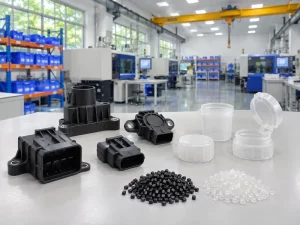
Polyethylene Terephthalate vs Polypropylene: How to Pick the Best
Polyethylene terephthalate vs polypropylene for molded parts: stiffness, heat, chemical resistance, drying, molding, cost and which parts suit PET or PP….
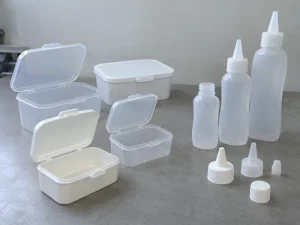
Polypropylene vs Polyethylene: How to Choose the Right One
Polypropylene vs polyethylene for molded parts: stiffness, heat, cold impact, living hinges, stress cracking, shrinkage and how to choose the right grade….
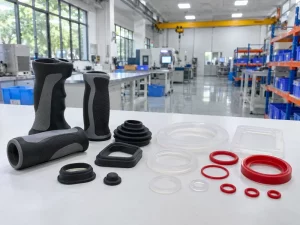
Thermoplastic Elastomer vs Silicone: How to Pick the Best
Thermoplastic elastomer vs silicone for molded parts: temperature limits, sealing, hardness, food and medical use, molding differences and cost compared….
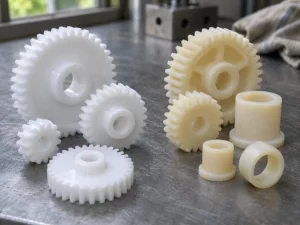
Delrin vs Nylon: How to Choose the Right One Without Waste
Delrin vs nylon compared for molded parts: moisture, wear, strength, heat, chemicals, shrinkage and cost, plus a checklist to choose the right material….
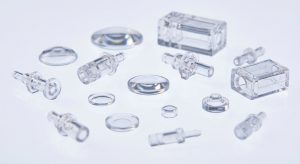
What Plastics Are Best For Hot Temperatures?
PTFE, PEEK, and PAI are widely considered the best plastics for hot temperatures due to their high melting points and mechanical stability….
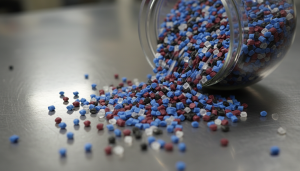
Injection Molding Material Selection Guide
Successful plastic material selection requires a rigorous quantitative analysis of your part’s mechanical loads, thermal environment, and chemical exposure risks. Many engineers…