
2024 Aluminum: Properties, Tempers and Corrosion Care
2024 aluminum is a high-strength aluminum-copper alloy, with about 4.4% copper and 1.5% magnesium, known for excellent fatigue resistance and good machinability in the T3 and T351 tempers. It is used for aircraft-type structures, fittings, high-stress brackets, gears, shafts, hydraulic parts and precision machined components where fatigue strength matters more than corrosion resistance or weldability.
2024 is chosen for fatigue, not for appearance or corrosion. For example, a 2024-T351 bracket that sees repeated vibration loads can outlast a 6061 bracket of the same shape, but it must be anodized, chem-filmed or painted because bare 2024 corrodes much faster. In this guide, we explain 2024 aluminum: composition, properties, tempers, machining, corrosion protection, comparisons with other alloys and how to specify it. For a stronger zinc alloy, see our guide to 7075 aluminum.
2024 aluminum contains about 3.8–4.9% copper, 1.2–1.8% magnesium and 0.3–0.9% manganese. In T3 temper it has a typical tensile strength of about 480 MPa, yield of about 345 MPa and elongation around 18%, with a density of 2.78 g/cm³. It has excellent fatigue resistance and machines well in T3 and T351, but has poor corrosion resistance, so it is often supplied as Alclad sheet or protected by anodizing or conversion coating. It is not suited to fusion welding.
In short: 2024 gives high strength and fatigue life, but needs surface protection.
Key points:
- Strength: about 480 MPa tensile in T3.
- Strength point: fatigue resistance.
- Limit: corrosion and welding.
What Is 2024 Aluminum?
2024 aluminum is a 2000-series wrought alloy based on aluminum and copper.
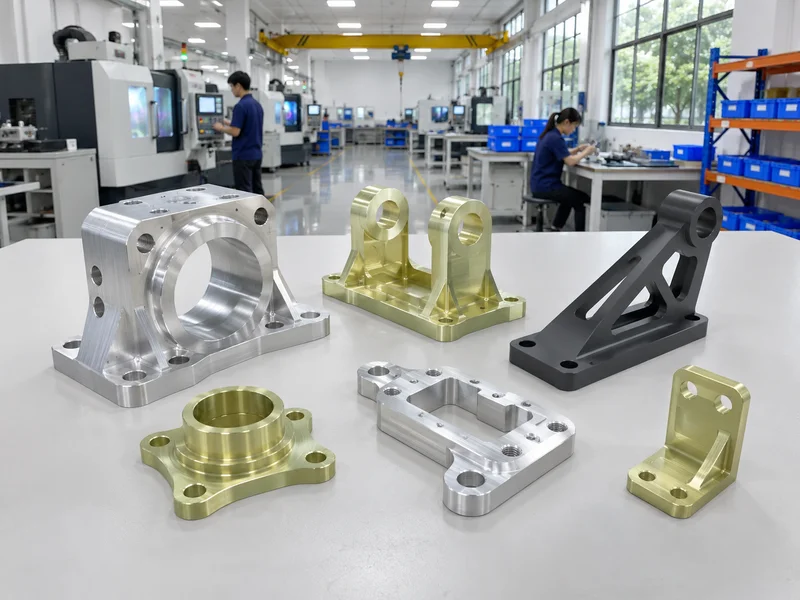
| Element | Typical content |
|---|---|
| Copper | 3.8–4.9% |
| Magnesium | 1.2–1.8% |
| Manganese | 0.3–0.9% |
| Aluminum | Balance |
For example, the high copper content gives the alloy its strength and also its lower corrosion resistance. Alloy designations are maintained by the Aluminum Association. Our guide to aluminium alloy 6061 properties covers the most common general alloy.
Key Takeaway: Above all, copper is the key alloying element in 2024.
What Are the Properties of 2024 Aluminum?
The properties of 2024 aluminum in T3 or T351 temper combine strength and fatigue resistance.
| Property | 2024-T3 / T351 (typical) |
|---|---|
| Tensile strength | about 470–480 MPa |
| Yield strength | about 325–345 MPa |
| Elongation | about 18–20% |
| Hardness | about 120 HB |
| Density | 2.78 g/cm³ |
| Thermal conductivity | about 120 W/m·K |
| Modulus | about 73 GPa |
For example, 2024-T3 has lower yield strength than 7075-T6 but better fatigue crack growth resistance, so it is often used in fatigue-critical skins and fittings. Our guide to titanium strength vs aluminum compares other light metals.
Key Takeaway: In other words, 2024 trades some static strength for better fatigue behavior.
Which Tempers Are Used?
Several tempers of the alloy are used for different products.
- O: annealed, soft, for forming
- T3: solution treated and cold worked, common for sheet
- T351: stress relieved by stretching, common for plate and bar
- T4: solution treated and naturally aged
- T81 / T851: artificially aged, better at higher temperature
For example, machined fittings are usually cut from 2024-T351 plate or bar because stretching reduces distortion during machining. Our guide to metals for large CNC machined parts explains stress-relieved stock.
Key Takeaway: For this reason, order T351 plate or bar for machined parts.
How Is the Alloy Machined?
The alloy machines well in hardened tempers, with good chips and finish.
| Factor | Good practice |
|---|---|
| Temper | T3 / T351 machines better than soft O temper |
| Tools | Sharp carbide, polished flutes |
| Chips | Short and easy to break |
| Coolant | Flood coolant for finish and heat |
| Distortion | Symmetric roughing, stress-relieved stock |
| Burrs | Deburr before coating |
For example, a 2024 gear blank turned and milled in T351 holds size better than one cut from soft stock and heat treated later. Our guides to 5-axis milling and deburring cover related work.
Key Takeaway: Overall, machine 2024 in the final temper and control distortion.
How Is the Alloy Protected From Corrosion?
The alloy is protected from corrosion by cladding, conversion coating, anodizing or paint.
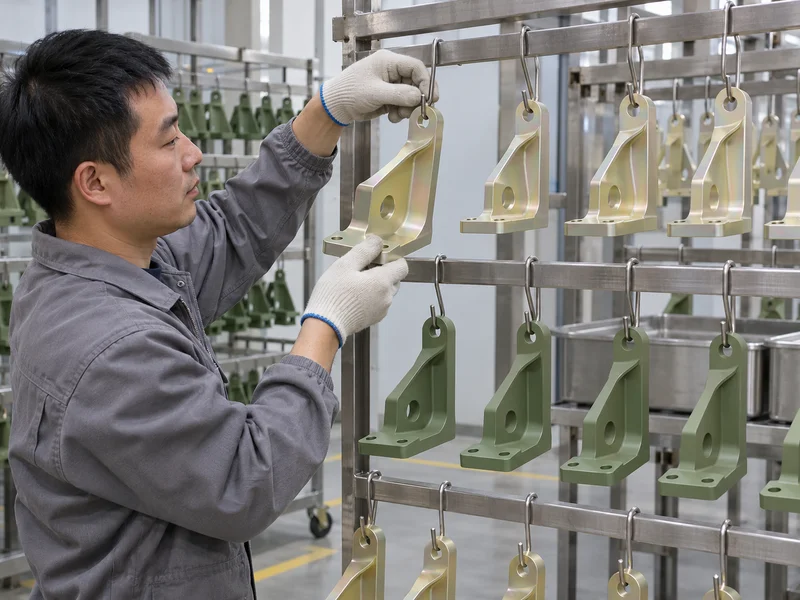
- Alclad sheet: thin pure aluminum layer on each side
- Chemical conversion coating: thin, conductive protection
- Type II or chromic anodizing: corrosion and paint base
- Primer and paint: for outdoor and structural use
- Avoid: contact with dissimilar metals in wet conditions
For example, a 2024 bracket used outdoors is often chem-filmed and then primed and painted. Our guides to chemical conversion coating vs anodizing and anodized vs non anodized aluminum explain the finishes.
Key Takeaway: Equally, never leave 2024 parts bare in humid or salty environments.
How Does 2024 Compare With Other Aluminum Alloys?
2024 compares with other aluminum alloys by strength, fatigue and corrosion resistance.
| Alloy | Strength | Fatigue | Corrosion | Weldability |
|---|---|---|---|---|
| 2024-T351 | High | Excellent | Poor | Poor |
| 7075-T651 | Very high | Good | Fair | Poor |
| 6061-T6 | Medium | Good | Good | Good |
| 5052-H32 | Low-medium | Good | Very good | Good |
For example, a vibrating bracket may use 2024, a highly loaded static frame 7075 and a welded enclosure 6061. Our guides to 6061-T6 vs 7075-T6 and 5052 vs 6061 compare the others.
Key Takeaway: As a rule, choose 2024 when fatigue loading is the main design driver.
How Should the Alloy Be Specified?
The alloy should be specified with alloy, temper, form, finish and certificates.
- Alloy and temper: 2024-T351 or 2024-T3
- Form: plate, bar or sheet (bare or Alclad)
- Standard: for example, ASTM B209 or AMS plate specification
- Finish: conversion coating, anodize or paint system
- Masking: conductive or precision areas
- Certificates: mill test certificate
For example, “2024-T351 bar, chem film per MIL-DTL-5541 Class 3, mill certificate required” gives a complete basis. Our CNC milling page explains how we machine aluminum parts to drawing.
Key Takeaway: Finally, always specify a protective finish together with 2024.
FAQ
- Q: What is 2024 aluminum?
- A high-strength aluminum-copper-magnesium alloy.
- Q: How strong is 2024-T3?
- About 480 MPa tensile and 345 MPa yield.
- Q: Is 2024 aluminum corrosion resistant?
- Not very; it needs cladding, coating or paint.
- Q: Can 2024 aluminum be welded?
- It is not suited to normal fusion welding.
- Q: Is 2024 stronger than 6061?
- Yes, and it has better fatigue resistance, but poorer corrosion resistance.
Conclusion
2024 aluminum gives high strength and excellent fatigue resistance for machined parts, as long as it is protected from corrosion. Order the right temper and finish together. To quote 2024 aluminum parts, send your 3D model and 2D drawing to our engineers.